Deep Groove Ball Bearings for Electric Motors

Introduction

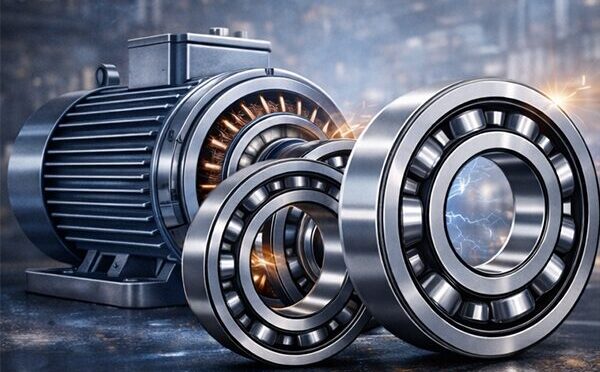
Electric motors are at the heart of modern industry, from household appliances and automotive systems to large-scale industrial machinery. These motors operate on principles that require high efficiency, precision, and durability. Among the essential components that enable electric motors to run smoothly, bearings play a crucial role. Specifically, deep groove ball bearings are the most commonly used type in electric motors due to their robustness, simplicity, and ability to perform under various operating conditions. In this article, we will explore the importance of deep groove ball bearings in electric motors, their advantages, and their impact on motor performance and longevity.
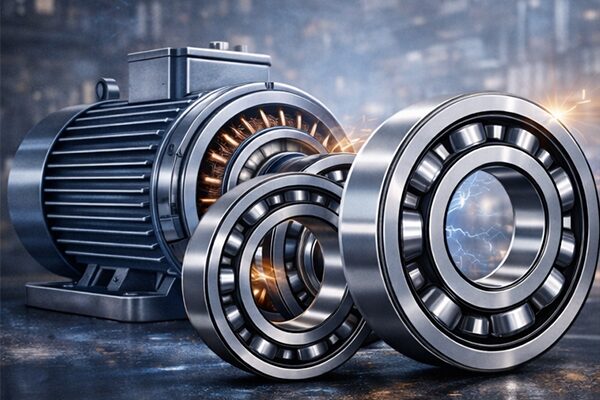
What Are Deep Groove Ball Bearings?

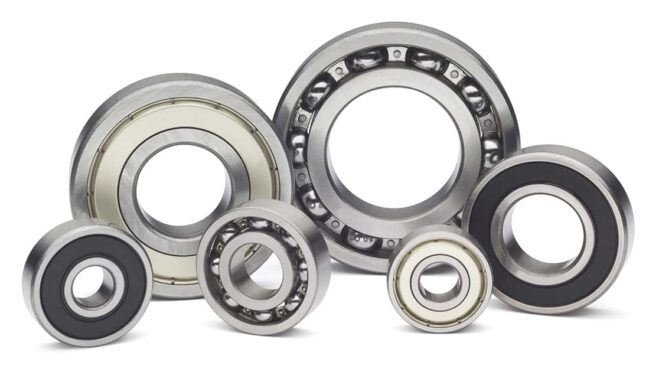
Deep groove ball bearings are a type of rolling-element bearing that uses balls to maintain the separation between the bearing races. They are known for their versatility and ability to accommodate both radial and axial loads, making them ideal for applications requiring high speed and precision. The inner and outer rings of a deep groove ball bearing are designed to have a groove deep enough to support the balls throughout the bearing’s rotation, which ensures smooth and continuous movement.

Deep groove ball bearings are available in various designs, including single-row, double-row, and even angular contact versions. However, the single-row deep groove ball bearing is the most widely used, especially in electric motors. These bearings are known for their ability to handle moderate radial and axial loads, low friction, and long operational life.

Importance of Deep Groove Ball Bearings in Electric Motors

1. Handling Radial and Axial Loads

One of the primary reasons deep groove ball bearings are favored in electric motors is their ability to handle both radial and axial loads.

Radial load refers to the force applied perpendicular to the axis of rotation. In electric motors, this force is generated as the motor shaft spins and the rotor moves inside the stator.

Axial load, on the other hand, refers to the force that acts along the axis of rotation. This is generated by components such as the rotor and windings pressing against the bearings.

Deep groove ball bearings excel in managing these two types of loads simultaneously, ensuring that the motor operates smoothly and with minimal wear on the bearings. This capability is particularly important in applications like electric motors, where both radial and axial forces are constantly at play.

2. Durability and Long Service Life

Electric motors are often required to run continuously for extended periods, sometimes under harsh conditions. The deep groove ball bearing is designed to endure such operational demands.

Material quality: These bearings are typically made from high-quality steel or other durable materials like ceramic or stainless steel, which provide excellent resistance to wear and tear.

Design: The deep groove structure allows for greater load capacity and enhanced performance. The tight ball and raceway clearance minimizes the wear on the bearing, leading to reduced maintenance needs and longer service life.

This durability is especially crucial in applications where electric motors run continuously, such as in HVAC systems, pumps, and conveyor belts. Using deep groove ball bearings helps increase the longevity of electric motors and reduces the frequency of replacement, which leads to lower operational costs.

3. Low Friction and High Efficiency

The primary role of bearings in an electric motor is to reduce friction between moving parts, which is essential for maintaining efficiency. Friction between the rotor and the stator can lead to energy losses, increased heat generation, and mechanical wear. Deep groove ball bearings are particularly effective at minimizing friction due to their precise geometry and smooth raceways.

Low friction: These bearings feature high precision and smooth internal surfaces, which reduce the energy lost in friction. This makes deep groove ball bearings highly efficient at maintaining the motor’s rotational speed without generating excessive heat.

Energy savings: Lower friction translates into less energy being consumed to run the motor, which is a significant advantage in industrial applications where energy efficiency is critical.

By minimizing friction, deep groove ball bearings help improve the overall performance of electric motors, reducing the amount of power required to operate and enhancing their operational efficiency.

4. Versatility Across Applications

Electric motors are used in a wide range of applications, each with its own set of demands. Deep groove ball bearings are incredibly versatile, making them suitable for use in virtually every type of electric motor, from small motors in household appliances to large industrial motors.

Compact designs: Deep groove ball bearings are available in compact sizes, making them ideal for motors with space constraints, such as those found in smaller appliances like fans, washing machines, and power tools.

High-speed applications: These bearings can handle high-speed rotations, making them perfect for motors used in machinery and equipment requiring rapid movement, such as in robotics, conveyors, and electric vehicles.

High-temperature resistance: Some deep groove ball bearings are designed to withstand high temperatures, making them suitable for use in high-heat environments like electric motors used in heavy-duty industrial machinery.

Their adaptability to various requirements and operating conditions makes deep groove ball bearings a popular choice in the vast majority of electric motors across industries.

Advantages of Using Deep Groove Ball Bearings in Electric Motors

1. Cost-Effectiveness

While high-end bearings may offer additional features, deep groove ball bearings provide an excellent balance of performance, durability, and cost. This cost-effectiveness makes them particularly attractive for manufacturers of electric motors who need reliable, high-performance bearings that won’t break the bank.

The relatively low cost, coupled with their long service life and reduced need for maintenance, ensures that deep groove ball bearings offer excellent value for money over time.

2. Easy to Install and Maintain

Another significant advantage of deep groove ball bearings is their ease of installation and maintenance. These bearings are designed to be straightforward to install into electric motors, and their robust construction ensures minimal need for complex maintenance procedures. Regular checks and lubrication are typically all that’s needed to keep these bearings performing at their best.

This simplicity makes them especially beneficial for mass-produced electric motors where ease of assembly and low maintenance requirements are essential for keeping costs low and production efficient.

3. Wide Availability

Deep groove ball bearings are one of the most widely used types of bearings, and their availability is extensive. Manufacturers can easily source these bearings from suppliers around the world, making them readily accessible for use in electric motors. This widespread availability also ensures that replacement bearings are easy to find, which is essential for minimizing downtime in applications where electric motors are critical to operations.

Applications of Deep Groove Ball Bearings in Electric Motors

Deep groove ball bearings are utilized in various electric motor applications, including:

HVAC Systems: Motors in heating, ventilation, and air conditioning systems often require bearings that can handle both radial and axial loads under varying speeds and temperatures. Deep groove ball bearings offer the perfect solution, ensuring that these systems run smoothly and efficiently.

Automotive Industry: Electric motors used in automotive systems, such as power steering, window lifts, and windshield wipers, benefit from the reliability and compactness of deep groove ball bearings.

Home Appliances: From refrigerators to washing machines, electric motors in home appliances rely on deep groove ball bearings to ensure smooth, efficient operation.

Industrial Equipment: Motors powering conveyors, pumps, and other industrial machinery frequently use deep groove ball bearings due to their versatility, durability, and ability to withstand heavy loads and continuous use.

Conclusion

Deep groove ball bearings are a crucial component of electric motors, providing essential support for both radial and axial loads, reducing friction, and improving the overall efficiency and longevity of the motor. Their versatility, durability, low cost, and ease of maintenance make them the bearing of choice for a wide range of electric motor applications across industries. As technology advances and the demand for more efficient electric motors increases, the role of deep groove ball bearings in improving motor performance will continue to be essential.

By using deep groove ball bearings in electric motors, manufacturers can ensure high performance, extended service life, and lower operational costs. Whether in household appliances, automotive systems, or industrial machinery, these bearings play a key role in keeping electric motors running smoothly, efficiently, and reliably.


The Specific Working Principle and Selection of Deep Groove Ball Bearings in Banknote Counting Machines

Banknote counting machines are critical tools in financial institutions, retail environments, and other businesses where large volumes of cash must be handled quickly and accurately. The core of their performance lies in precise, high-speed movement and reliable operation—qualities that heavily depend on the machine’s internal components. One of the most vital of these components is the deep groove ball bearing. While small in size, these bearings play a disproportionately large role in ensuring the machine’s speed, accuracy, and durability.

In this blog, we’ll explore the specific working principle of deep groove ball bearings as applied to banknote counting machines and how to select the right bearings for this precision-focused application.

What Are Deep Groove Ball Bearings?

Deep groove ball bearings are a type of rolling-element bearing designed to reduce rotational friction and support both radial and axial loads. They are named for the deep raceway grooves in their inner and outer rings that allow them to carry heavier loads and operate at higher speeds than many other bearing types.

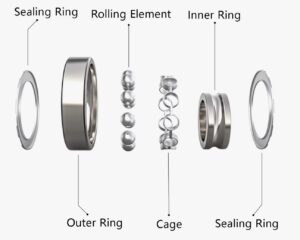
These bearings consist of four main parts:

  • Inner ring
  • Outer ring
  • Steel balls (rolling elements)
  • Cage (separator for the balls)

In banknote counting machines, deep groove ball bearings are typically used in high-speed rotating shafts, rollers, and precision gears that drive the banknote feeding, stacking, and detection processes.

The Working Principle of Deep Groove Ball Bearings in Banknote Counters

Banknote counting machines operate by feeding individual notes through a set of rollers and detection systems at high speed—often thousands of notes per minute. These rollers must rotate smoothly and precisely to prevent miscounts, jams, or damage to the banknotes.

Here’s how deep groove ball bearings function in this environment:

1. High-Speed Rotation with Minimal Friction

In a banknote counter, rollers and shafts rotate continuously at high speeds. Deep groove ball bearings reduce friction between moving parts by rolling rather than sliding. This rolling action, facilitated by the steel balls between the raceways, allows for smooth and quiet rotation even at high speeds.

2. Precise Alignment and Stability

Deep groove ball bearings maintain consistent alignment of the rotating components. Any misalignment can result in skewed banknotes, misreads, or jams. The tight manufacturing tolerances of these bearings ensure the precision required for accurate banknote handling.

3. Load Distribution

Although banknote counters deal with relatively low mechanical loads compared to industrial machines, the combination of rapid starts, stops, and changes in direction places dynamic forces on the components. Deep groove ball bearings handle both radial loads (from the rotation of shafts) and light axial loads (from belt tension or end thrust), making them ideal for these dynamic but moderate-load environments.

4. Low Noise and Vibration

Quiet operation is important in offices, banks, and retail spaces. The smooth rotation of deep groove ball bearings, especially those with high-precision ratings and quality lubrication, helps ensure low vibration and noise—an essential feature in customer-facing environments.

5. Durability Under Continuous Use

Banknote counters often operate for long hours, especially in cash-heavy businesses. Deep groove ball bearings, especially those with seals or shields to keep out dust and paper particles, provide long service life and reduce the need for frequent maintenance.

Key Factors for Selecting Deep Groove Ball Bearings in Banknote Counting Machines

Selecting the right bearing for a banknote counting machine involves several critical considerations. Precision and reliability are paramount, but factors like size, lubrication, speed rating, and sealing also play a role.

1. Speed Rating

Banknote counting machines operate at high rotational speeds—often in the range of 6,000 to 15,000 RPM depending on the model. Therefore, the selected bearing must have a high dynamic speed rating. This ensures that the bearing won’t overheat or degrade prematurely under continuous high-speed operation.

Selection Tip: Choose bearings specifically rated for high-speed applications, with minimal internal clearance and excellent heat resistance.

2. Noise and Vibration Control

To maintain user comfort and precise performance, the bearings must be designed for quiet and vibration-free operation. This typically involves selecting high-precision bearings with low noise class ratings (e.g., Z1, Z2, or Z3 as per Chinese standards, or ABEC-5 and above in Western equivalents).

Selection Tip: Use low-noise precision bearings with superior roundness and surface finish on the balls and raceways.

3. Load Capacity

Though not exposed to heavy loads, banknote counters require bearings that can withstand constant low to moderate dynamic loads due to fast rotation and belt tension. Deep groove ball bearings are well-suited for these conditions.

Selection Tip: Choose a bearing with a load rating appropriate to the weight of rotating components and belt tension, typically in the 6000 or 6200 series.

4. Dust and Particle Resistance

Banknote counters produce fine dust and fibers from continuous handling of paper currency. These particles can degrade bearing performance over time. Bearings with rubber seals (RS/2RS) or metal shields (ZZ) help prevent contamination.

Selection Tip: In high-dust environments, opt for 2RS (double rubber seal) bearings. For slightly cleaner environments with higher speed requirements, ZZ (metal shielded) bearings offer a good balance.

5. Lubrication

Proper lubrication is essential for minimizing friction and heat generation. Since manual re-lubrication is impractical in small machines, most banknote counting applications use pre-lubricated, sealed bearings.

Selection Tip: Select bearings pre-filled with low-viscosity, high-speed grease suitable for small electric motors or office equipment.

6. Bearing Size and Mounting

Bearings must be compact and easy to install into small machines. Typical sizes range from 3mm to 20mm bore diameter, depending on the specific shaft or roller size.

Selection Tip: Work closely with the machine designer to choose the appropriate inner/outer diameter and width to match the shaft and housing dimensions precisely.

Common Bearing Models Used in Banknote Counters

Some commonly used deep groove ball bearing series in banknote counters include:

6000 Series: Suitable for applications requiring compact size and light load capacity.

6200 Series: Slightly heavier-duty than the 6000 series; supports higher loads with minimal size increase.

Miniature Bearings (600, 608, 627, etc.): Ideal for very small rotating parts with extremely low torque requirements.

Bearings from reputable manufacturers like SKF, NSK, NTN, and Chinese brands such as HRB or ZWZ are commonly used in commercial counting machines.

Conclusion

Deep groove ball bearings are the unsung heroes of banknote counting machines. Their ability to operate at high speeds with minimal noise and vibration, combined with their compact size and low maintenance requirements, makes them ideal for this application. Choosing the right bearing involves balancing speed, load, noise, sealing, and lubrication characteristics—ensuring the machine operates efficiently and accurately day in and day out.

By understanding both the working principle and the selection criteria of deep groove ball bearings in the context of banknote counters, engineers and manufacturers can significantly enhance machine reliability, reduce maintenance needs, and deliver a better user experience in environments where precision truly counts.


How to Choose the Right Deep Groove Ball Bearing for Your Application

Deep groove ball bearings are among the most common types of rolling-element bearings used in a vast range of machinery and equipment. Their simple design, high durability, and versatility make them suitable for everything from electric motors and household appliances to heavy-duty industrial machinery. However, selecting the right deep groove ball bearing for your application isn’t as straightforward as picking a size off a chart.

Choosing the correct bearing requires careful consideration of several factors such as load type, speed, operating conditions, lubrication, and more. Making the right choice can dramatically improve machine efficiency, reduce maintenance costs, and extend operational lifespan. This article provides a comprehensive guide to help you select the right deep groove ball bearing for your specific application.

What Is a Deep Groove Ball Bearing?

Deep groove ball bearings consist of an inner ring, an outer ring, a cage, and a set of steel balls. Their name comes from the deep raceway grooves in which the balls rotate. This design allows them to support both radial and axial (thrust) loads and makes them particularly efficient for high-speed rotation.

They come in single-row and double-row configurations and may include additional features such as seals, shields, or snap rings.

Step 1: Understand the Load Requirements

One of the first and most important considerations when selecting a bearing is the type and magnitude of load it will encounter.

Radial Load: Acts perpendicular to the shaft and is the primary load supported by deep groove ball bearings.

Axial Load: Acts parallel to the shaft. Standard deep groove ball bearings can handle moderate axial loads but may need to be reinforced or replaced with a specialized type for high axial loads.

Combined Load: Many real-world applications involve a mix of radial and axial loads. Ensure the bearing is rated for the combined load it will experience.

Understanding your load conditions is crucial because overloading a bearing leads to premature failure, increased heat, and noise.

Step 2: Determine the Speed Requirements

Deep groove ball bearings are ideal for high-speed applications, but each bearing has a specific speed limit based on its size, internal design, lubrication, and other factors.

Limiting Speed: This is the maximum speed a bearing can operate without overheating or failing. Check the manufacturer’s catalog for this data.

Application Speed: Calculate the operational speed of your application and ensure it is well within the bearing’s limit.

Lubrication Impact: Oil lubrication typically allows for higher speeds than grease, but grease is more convenient for sealed-for-life designs.

Always choose a bearing that can comfortably exceed the speed demands of your application to ensure smooth and safe operation.

Step 3: Consider Precision and Tolerance Requirements

In high-performance applications such as robotics, CNC machinery, or aerospace components, bearing precision is critical.

Tolerance Classes: Bearings are manufactured in tolerance classes (e.g., ABEC, ISO P). Higher numbers (like ABEC 7) indicate tighter tolerances and greater precision.

Runout and Noise: Applications requiring minimal vibration or noise, such as medical equipment or electric motors, should use high-precision bearings.

For general machinery, standard tolerance bearings usually suffice. For precision-critical applications, consult with the bearing supplier for optimal class selection.

Step 4: Evaluate Environmental and Operating Conditions

Bearings operate in a wide variety of environments, and factors like temperature, contamination, and moisture can affect performance and longevity.

Temperature: Standard bearings typically operate up to 120°C (248°F). For higher temperatures, look for heat-stabilized variants.

Contamination: Dust, dirt, and other contaminants can quickly damage a bearing. Sealed or shielded bearings are recommended for such environments.

Corrosion: If your application is exposed to water or corrosive chemicals (e.g., in marine or food processing environments), choose stainless steel or coated bearings.

Selecting a bearing material and design that suits the environment can significantly extend its service life.

Step 5: Choose the Right Bearing Type and Features

Standard deep groove ball bearings come in various designs, and selecting the appropriate configuration can enhance performance.

Single-Row Bearings: The most common type. Ideal for general-purpose ap

Double-Row Bearings: Offer higher load capacity but may have lower speed ratings. Suitable for compact designs where a single row isn’t sufficient.

Sealed vs. Shielded:

Sealed Bearings (with rubber seals) offer better protection and are often pre-lubricated.

Shielded Bearings (with metal shields) protect against larger particles and allow for higher speed.

Snap Rings: Some bearings come with snap ring grooves for easy axial location.

Pick features based on ease of installation, required protection, and operational longevity.

Step 6: Select the Right Lubrication

Lubrication plays a pivotal role in bearing performance. It reduces friction, prevents wear, and helps manage heat.

Grease-Lubricated Bearings: Common in sealed-for-life applications; easier to maintain.

Oil-Lubricated Bearings: Used in high-speed or high-temperature conditions; requires regular maintenance.

Specialty Lubricants: Available for food-grade, high-vacuum, or low-temperature environments.

Ensure the lubricant is compatible with your application and re-lubrication intervals are achievable with your maintenance schedule

Step 7: Calculate Bearing Life

Bearing life is typically estimated using the L10 life—the number of revolutions at which 90% of identical bearings will still be operational.

The life is affected by:

Load (both radial and axial)

Speed

Lubrication

Mounting accuracy

Environmental factors

Use manufacturer-provided calculators or bearing selection software to estimate life based on your specific conditions. Opt for bearings with a safety margin if your application is mission-critical.

Step 8: Work with Reputable Suppliers

Choosing a reliable supplier is as important as selecting the bearing itself. A good supplier can:

Help interpret technical data

Recommend suitable products

Provide quality certifications and traceability

Offer engineering support for unusual applications

Stick with trusted manufacturers ,avoid counterfeit products that can fail unpredictably.

Conclusion

Choosing the right deep groove ball bearing requires more than just knowing the size and speed of the shaft. You also need to consider load conditions, environmental challenges, speed, precision and lubrication needs. By carefully evaluating these factors, you can ensure optimal bearing performance, reduce downtime and extend the life of your machine.

If you are unsure or are dealing with a special application, feel free to consult an application engineer or use the manufacturer’s software tools. With the right guidance and the right selection process, deep groove ball bearings can provide excellent reliability and efficiency for years to come.

Need help with bearing selection?

Feel free to contact us with the details of your application – we will be happy to provide guidance, or contact engineering support for more complex needs.

The Advantages of Deep Groove Ball Bearings in the Automotive Industry

The automotive industry is known for its rigorous demands on machinery and components. Reliability, efficiency, and durability are essential factors in designing components that perform at high levels, often under extreme conditions. One such critical component that plays a vital role in ensuring smooth and efficient operation is the bearing. Among the different types of bearings used in automotive applications, deep groove ball bearings stand out due to their versatility, cost-effectiveness, and high performance. These bearings are extensively utilized across various parts of vehicles, from engines to wheel hubs, providing numerous benefits for manufacturers and consumers alike. In this blog, we will delve into the advantages of deep groove ball bearings in the automotive industry.

What Are Deep Groove Ball Bearings?

Before exploring their specific advantages, it’s important to understand what deep groove ball bearings are. These bearings consist of an inner and outer ring, between which a series of steel balls roll, enabling smooth movement. Their design is relatively simple but highly effective, allowing them to support both radial and axial loads. The term “deep groove” refers to the raceway (the path the balls follow), which is designed with a deeper curvature than other types of ball bearings. This design allows deep groove ball bearings to handle higher loads and speeds, making them well-suited for automotive applications.

1. High Load-Capacity and Versatility

In automotive applications, bearings are subjected to a variety of loads, including radial (from the weight of the vehicle and forces during motion) and axial (due to thrust forces from engine operation, steering, and braking). Deep groove ball bearings are highly versatile because they can manage both types of loads simultaneously. This versatility is essential in the automotive sector, where different components require different types of load-bearing capabilities.

Deep groove ball bearings can be found in many key automotive systems, such as in the wheel hubs, gearboxes, electric motors, and even in steering mechanisms. For instance, wheel hub assemblies rely on these bearings to handle the radial loads caused by the vehicle’s weight and the axial loads from braking forces. The ability of deep groove ball bearings to manage these loads efficiently without compromising on performance makes them indispensable in the design of many critical automotive systems.

2. Durability and Longevity

The automotive industry operates in a challenging environment. Vehicles are exposed to high levels of vibration, heat, moisture, and contaminants, all of which can contribute to the wear and tear of components. Deep groove ball bearings are designed to withstand these extreme conditions, offering a high degree of durability. Their robust design helps them endure the stress placed on them by high-speed rotations, heavy loads, and varying temperatures.

In applications like engine components and wheel hubs, deep groove ball bearings are required to function reliably over extended periods. The ability of these bearings to operate under such demanding conditions with minimal wear and tear results in a longer lifespan for automotive parts. This durability also translates into reduced maintenance costs, as bearings in key areas like engines, transmissions, and wheel hubs do not need to be replaced as frequently. For automotive manufacturers, this means reduced downtime for repairs, lower maintenance costs for consumers, and improved vehicle reliability.

3. Reduced Friction and Improved Fuel Efficiency

One of the most significant advantages of deep groove ball bearings in the automotive industry is their ability to minimize friction. The smooth rolling of the steel balls within the bearing’s raceways reduces the resistance between moving parts, allowing components to function more efficiently. This reduction in friction plays a crucial role in improving overall vehicle performance, particularly in terms of fuel efficiency.

By lowering friction, deep groove ball bearings help reduce the energy lost to heat, enabling the vehicle’s engine and other moving parts to work more efficiently. This results in better fuel consumption, lower emissions, and an overall reduction in operating costs for the vehicle owner. With rising fuel prices and increased environmental awareness, automotive manufacturers are under constant pressure to improve the fuel efficiency of their vehicles. The use of deep groove ball bearings is a key part of meeting these demands, as they contribute to improved overall vehicle performance.

4. Noise and Vibration Reduction

Noise and vibration are significant concerns in automotive design. High levels of vibration can impact both the comfort of the passengers and the durability of the vehicle. Deep groove ball bearings, due to their smooth operation and low friction, help to minimize vibration and reduce noise in critical components such as wheel hubs, electric motors, and gearboxes.

In wheel hubs, for example, deep groove ball bearings reduce the noise generated during vehicle movement by ensuring that the wheels rotate smoothly. Similarly, in electric motors and alternators, where smooth operation is crucial, these bearings help in maintaining quiet operation. Reducing noise and vibration not only enhances the driving experience but also prolongs the lifespan of various components, as vibrations can lead to premature wear if left unaddressed.

5. Compact and Lightweight Design

The automotive industry is constantly striving to make vehicles lighter and more fuel-efficient. One way to achieve this is by using components that are both lightweight and compact. Deep groove ball bearings are a perfect fit in this regard. They are relatively small in size, yet they provide high load-carrying capacity and can be used in a variety of configurations. This allows automotive designers to reduce the overall weight of the vehicle without sacrificing the performance of critical components.

For example, deep groove ball bearings are used in electric motors and other moving parts where reducing weight is crucial for improving energy efficiency. The compact design of these bearings also allows for the optimization of space within vehicle systems, such as in gearboxes or drive shafts, making them ideal for modern automotive engineering.

6. Cost-Effective Solution

In the automotive industry, cost is always a significant consideration, particularly when it comes to mass production. Deep groove ball bearings offer an excellent balance of performance and affordability. Their simple design means that they can be manufactured at a relatively low cost compared to other specialized bearings, making them a cost-effective solution for automotive applications.

Furthermore, the extended lifespan and reliability of these bearings translate into lower overall maintenance costs for consumers. Fewer replacements are required, and vehicle performance remains consistent over time, leading to higher customer satisfaction and reduced warranty claims for manufacturers.

7. Easy to Maintain and Replace

Deep groove ball bearings are relatively easy to maintain and replace compared to other types of bearings. The straightforward design and availability of various sizes make them ideal for mass-production vehicles. Maintenance tasks, such as lubrication and cleaning, are simple to perform, which is particularly valuable in reducing repair downtime.

In automotive repair and maintenance, ease of bearing replacement is an important factor. When a deep groove ball bearing reaches the end of its life, it is relatively easy to remove and replace, ensuring minimal downtime for repairs. This convenience makes them a favored option for both manufacturers and service technicians.

Conclusion

Deep groove ball bearings offer numerous advantages in the automotive industry, from their high load capacity and durability to their ability to improve fuel efficiency, reduce noise and vibration, and offer a compact design. These bearings are indispensable components in a wide range of automotive systems, ensuring reliable performance under demanding conditions. Their cost-effectiveness and ease of maintenance further cement their place as a crucial part of modern automotive engineering.

As the automotive industry continues to evolve, with an increasing focus on efficiency, sustainability, and performance, the role of deep groove ball bearings will only become more significant. From electric vehicles to traditional internal combustion engines, these bearings will continue to contribute to the smooth, efficient, and reliable operation of vehicles, making them a fundamental part of the automotive industry’s future.


Efficiency on Wheels: The Impact of Deep Groove Ball Bearings in Electric Mobility

As the world moves towards a more sustainable future, electric vehicles have emerged as a promising solution to reducing greenhouse gas emissions and combating climate change. Electric vehicles (EVs) are popular for their environmental benefits and potential to revolutionize the transportation industry.

One of the key components that plays a vital role in the efficiency and performance of electric vehicles is the deep groove ball bearing. In this blog post, we take a deep dive into the impact of deep groove ball bearings on electric vehicles, discussing their role, advantages, technological advancements and how they contribute to the overall efficiency of electric vehicles.

The Role of Deep Groove Ball Bearings in Electric Mobility

Deep groove ball bearings are a type of rolling element bearing designed to handle both radial and axial loads. In electric vehicles, these bearings are strategically employed in various components to ensure smooth and efficient operation. Some of the key areas where deep groove ball bearings are used in EVs include:

Electric Motor: The heart of an electric vehicle is its electric motor. Deep groove ball bearings are integrated into the motor’s rotor and shaft assembly, facilitating smooth rotation and reducing frictional losses. This results in improved energy efficiency and reduced heat generation.

Wheel Hubs: Deep groove ball bearings in the wheel hubs provide support and low-friction rotation to the wheels. The reduced rolling resistance contributes to extending the vehicle’s range and maximizing battery life.

Transmission and Gearbox: In EVs equipped with a gearbox or transmission, deep groove ball bearings are used to support various gear shafts, enabling efficient power transfer from the motor to the wheels.

Advantages of Deep Groove Ball Bearings in Electric Vehicles

Reduced Friction: Deep groove ball bearings are known for their low-friction properties. When integrated into electric vehicle components, they minimize mechanical losses, leading to enhanced energy efficiency and improved overall performance.

Quiet and Smooth Operation: The design of deep groove ball bearings ensures silent and vibration-free rotation, contributing to a quieter and more comfortable driving experience in electric vehicles.

Long Service Life: High-quality deep groove ball bearings exhibit excellent durability and resistance to wear, reducing the need for frequent replacements and maintenance, thus improving the vehicle’s reliability.

Enhanced Range: The reduced friction provided by deep groove ball bearings translates into less energy consumption during operation, which contributes to increasing the driving range of electric vehicles on a single battery charge.

Efficiency On Wheels

Technological Advancements in Deep Groove Ball Bearings for Electric Mobility

As the demand for electric vehicles continues to grow, bearing manufacturers are continuously innovating and improving the technology behind deep groove ball bearings. Some notable advancements include:

Ceramic Bearings: Ceramic ball bearings offer superior hardness, lightweight properties, and increased resistance to wear and corrosion. They are increasingly being used in electric vehicles to further reduce friction and enhance efficiency.

Hybrid Bearings: Hybrid deep groove ball bearings combine steel rings with ceramic balls. These bearings capitalize on the benefits of both materials, offering improved performance, reduced weight, and extended service life.

Sealing Solutions: Advanced sealing technologies protect deep groove ball bearings from contaminants, such as dust and moisture, ensuring their long-term reliability and performance in challenging environments.

How to choose the right deep groove ball bearings for your electric mobility applications?

Selecting the right deep groove ball bearing for electric vehicle applications requires careful consideration of several key factors. Here are some steps to help you make the right choice:

  • Understand the Requirements

Start by identifying the specific requirements for your EV application. Consider factors such as load capacity, speed, operating temperature and vibration levels.

  • Check Bearing Size

Check the bearing size specification used in your application. Deep groove ball bearings come in a variety of sizes, so make sure the selected bearing is the required size and fits properly in your equipment.

  • Consider Load Capacity

Determine the maximum load the bearing will carry. This includes radial loads and axial loads. Make sure that the selected bearing can withstand the expected load without premature failure.

  • Evaluate the Speed Limit

Evaluate the rotational speed at which the bearing operates. Look for bearings with speed ratings that exceed your application requirements. Exceeding the speed limit may cause premature wear and failure.

  • Evaluate Sealing Options

Electric vehicle applications often encounter dust, water and other contaminants. Choose deep groove ball bearings with appropriate sealing options, such as rubber seals or metal shields, to protect the bearing from external elements and extend its life.

  • Consider Lubrication

Proper lubrication is critical to bearing performance. Determine the type of lubrication used in your application and select a bearing that is compatible with the selected lubricant. Also, consider relubrication options to ensure ease of maintenance and extended bearing life.

  • Quality and Reliability

Choose bearings from a reputable manufacturer known for quality and reliability. Research and read reviews to make an informed decision on brands and suppliers.

Efficiency On Wheels2

The Future of Deep Groove Ball Bearings in Electric Mobility

As the electric vehicle market continues to expand, the demand for highly efficient and durable deep groove ball bearings will rise. Bearing manufacturers will focus on further refining the existing technologies and developing new solutions to cater to the specific requirements of electric mobility. In the future, we can expect:

Integration of IoT and Smart Technologies: Deep groove ball bearings may incorporate IoT sensors and smart monitoring capabilities, enabling real-time data analysis for predictive maintenance and optimal performance.

Customization and Precision: Bearing manufacturers will continue to develop custom solutions tailored to specific electric vehicle applications, optimizing bearing performance and efficiency for each component.

Sustainable Bearing Materials: Sustainability will remain a key focus, driving the development of eco-friendly bearing materials and manufacturing processes to align with the overall sustainability goals of electric mobility.

Conclusion

Wheel efficiency is not a single solution, but a collective effort involving multiple components, technologies and innovations. Deep groove ball bearings play an important role in electric vehicles, enabling the smooth and efficient operation of key components of electric vehicles. Their reduced friction, long service life and quiet operation help improve the overall efficiency and performance of electric vehicles, making them an important element in the transition to a more sustainable future.

Wheel bearing: how long do they last and when to replace them?

One of the most important components of a vehicle’s suspension system is the wheel bearing. If this component fails, it can cause a variety of problems, including loss of control while driving, abnormal tire wear, and damage to other suspension components.

So, how long can the hub bearing last and when should it be replaced? The answer depends on a variety of factors, including the type of vehicle you drive, your driving habits, and the quality of the wheel bearings themselves. In this blog, we’ll explore these factors in more detail and provide some tips for determining when it’s time to replace your wheel bearings.

The significance of wheel bearings in vehicles

Wheel bearings are an essential part of any vehicle as they play a vital role in ensuring safe and efficient operation. Their main function is to make the wheels turn smoothly while supporting the weight of the vehicle. This helps reduce friction, improve fuel efficiency, and enhance the overall performance of the vehicle.

Wheel bearings are prone to wear, which is why it’s important to maintain them regularly. Failure to do so can lead to a wide range of problems, such as uneven tire wear, increased fuel consumption, and even complete wheel failure. In extreme cases, wheel bearing failure can also lead to loss of control of the vehicle, which can be very dangerous and potentially life-threatening.

The factors that impact the longevity of wheel bearings

Wheel bearings are key components of vehicle suspension systems, and their service life is affected by many factors.

Here are some key factors that affect wheel bearing life:

car wheel bearing

Quality

When purchasing a car wheel bearing, it is crucial to select the appropriate level of quality. Bearing life is subjected to stress and demands durable materials that can withstand high temperatures without excessive damage. Opting for superior quality bearings can ensure extended longevity of your vehicle’s wheels while avoiding unwanted issues down the road.

bearing installation

Installation

As previously stated, incorrect use of tools during bearing installation can result in damage to the bearing. This damage can lead to decreased performance and a shortened lifespan for the bearing. Therefore, it is crucial to use the correct tools and ensure proper usage during installation.

Driving conditions

Driving conditions

Proper lubrication is crucial for the longevity of a bearing. Any alterations to this process will inevitably result in premature wear and tear. It’s important to note that driving with your wheels underwater for extended periods can cause water to seep into the bearing, ultimately leading to damage. Similarly, other contaminants like road or marine salt, sand, mud, or dust can also find their way through the seal and deteriorate the rolling balls within the bearing. When such contamination occurs, the lifespan of the bearing significantly decreases and may require prompt replacement.

Road conditions

Road conditions

The car’s wheel bearings can be negatively affected by powerful impacts resulting from rough and uneven roads or passing over potholes at a high speed. Additionally, any lateral impact can cause substantial damage to the wheel bearings, so it’s important to exercise caution when navigating curbs.

Car setup

Car setup

It’s important to remember that any modifications made to the suspension, rims, or tires of a car will ultimately alter the manufacturer’s specifications. The wheel bearings in particular may no longer be appropriate, causing them to wear out faster than anticipated. For this reason, it’s recommended that you stick with the dimensions and specs outlined by your car manufacturer when making any changes to your vehicle’s components. By doing so, you can ensure optimal performance and safety on the road.

Indicators that suggest replacement of wheel bearings

Wheel bearings are an essential part of any vehicle’s suspension system, allowing the wheels to spin smoothly while supporting the weight of the car. Recognizing the signs that your wheel bearings need replacing is critical to maintaining a safe and efficient driving experience.

One of the most common indicators is an abnormal noise, often described as a growl or hum that increases in pitch as you accelerate. This noise usually becomes more noticeable when cornering as weight is transferred to the outside of the wheel. In some cases, a grinding or scraping sound may also be heard, indicating that the bearings have worn beyond repair.

Another sign to look out for is wheel vibration or wobble, especially at high speeds. This can be caused by damaged bearings that alter the smooth rotation of the wheel. Also, if you notice uneven tire wear or wheels that are not running straight, it may be time to check your bearings.

How to replace wheel bearings?

The first step is to diagnose which wheel bearing needs to be replaced. Once you’ve identified the faulty bearing, you’ll need to lift and secure the vehicle and remove the brake assembly and hub. From there, you’ll remove the old bearings and replace them with new ones.

It is critical to follow the manufacturer’s guidelines regarding torque specifications and proper installation procedures. Failure to do so may result in further damage. It is best to take your vehicle to a certified mechanic. Proper maintenance of your wheel bearings will ensure the safe and reliable performance of your vehicle.

Proper maintenance techniques for enhancing the life of wheel bearings

When it comes to wheel bearings, proper maintenance is critical to the overall health and longevity of your vehicle. Neglecting to maintain your wheel bearings can cause irreversible damage and lead to costly repairs. Thankfully, there are several techniques you can use to extend the life of your wheel bearings and keep your vehicle running smoothly.

First, it’s crucial to make sure your wheel bearings are properly lubricated. Using the proper grease and ensuring an even application is essential. Over-lubrication can cause as much damage as under-lubrication, so be sure to follow the manufacturer’s recommendations.

Second, keeping your wheels clean and free of debris is necessary to keep your wheel bearings healthy. Dirt and dust can quickly cause bearing wear, requiring premature replacement.

Regular inspection of wheel bearings is also important. Look for signs of wear or grinding noises when turning the wheels. Catching problems early can avoid costly repairs later.

Finally, it is very important to have your wheel bearings checked regularly by a professional mechanic. A skilled technician can detect signs of wear before you even notice them, preventing major damage to your vehicle and keeping you safe on the road.

Conclusion

While wheel bearings don’t have a fixed lifespan, regular inspection and maintenance help ensure they perform at their best for as long as possible. Prompt replacement of worn or damaged wheel bearings is essential to avoid more costly and potentially dangerous problems down the road. By staying vigilant and seeking professional advice when in doubt, you can keep your wheels running smoothly for years to come.

Why are sleeve bearings preferable for some fan applications?

In the world of engineering and technology, the importance of each component cannot be underestimated. Even seemingly trivial choices can have a major impact on performance and durability. For example, bearing type is a key consideration in fan applications as it directly affects factors such as noise levels, efficiency and maintenance requirements.

Among the various bearing options, sleeve bearings become an advantageous choice for certain fan applications. This paper aims to investigate the rationale behind this preference in specific scenarios by highlighting its benefits and elucidating its optimal utilization.

What Are Sleeve Bearings?

A sleeve bearing is a type of journal bearing that uses a thin, smooth metal liner to provide a low-friction surface for a rotating shaft. This type of bearing is ideal for applications where space is limited, such as electric motors, pumps, and fans. Sleeve bearings are also commonly used in high-speed applications.

There are several reasons why sleeve bearings are better suited for certain fan applications. First, sleeve bearings have a lower coefficient of friction than ball bearings, which makes them more efficient. Second, sleeve bearings can operate at higher speeds than ball bearings without failure. Finally, sleeve bearings are less prone to catastrophic failure than ball bearings.

mounting with an adapter sleeve - Yuanhe

Sleeve Bearings in Industrial Fans

Sleeve bearings are commonly used in industrial fans because they have many advantages over other types of bearings. For one thing, they are cheaper to manufacture and maintain. They are also less likely to fail under high loads or vibrations, making them ideal for industrial applications.

Sleeve bearings hold the fan blades on the shaft through friction. Bearings are usually made of soft metals, such as bronze, that will wear out over time. This helps reduce the noise produced by the fan and makes it easier to keep the fan running smoothly.

Advantages of Sleeve Bearings in Fan Applications

Sleeve bearings offer several advantages that make them well-suited for specific fan applications.

Let’s explore these advantages in detail:

Cost-Effectiveness
Sleeve bearings are generally more cost-effective to manufacture compared to other bearing types such as ball bearings. This cost-efficiency can be particularly advantageous in applications where budget constraints are a concern.

Quiet Operation
One of the standout benefits of sleeve bearings is their quiet operation. The lack of rolling elements, such as balls, results in reduced noise levels during rotation. This makes sleeve-bearing-equipped fans ideal for environments where noise reduction is a priority, such as residential or office spaces.

Low Friction
Sleeve bearings exhibit low friction characteristics, especially during steady-state operation. This not only contributes to quietness but also helps in minimizing energy consumption, enhancing the overall efficiency of the fan.

Self-Lubricating
Sleeve bearings are typically self-lubricating due to the presence of the lubricant between the bore and sleeve. This inherent lubrication reduces wear and friction, leading to longer bearing life and less frequent maintenance.

Reduced Vibration
The absence of rolling elements in sleeve bearings leads to reduced vibration levels. This is beneficial not only for noise reduction but also for enhancing the stability of the fan’s operation.

Compatibility with Low-Load Applications
Sleeve bearings are particularly suitable for low-load applications, where the radial load on the bearing is relatively light. Fans often fall into this category, as they generally experience lower loads compared to heavy-duty industrial machinery.

Disadvantages of sleeve bearings

A sleeve bearing is a type of plain bearing that uses a sleeve to accommodate the bearing itself. Sleeves are usually made of metal, but can also be made of other materials, such as plastic. Sleeve bearings are used in a wide variety of applications, from small electric motors to large turbines.

However, sleeve bearings have some disadvantages. First, they are not as tolerant of misalignment as other types of bearings. This means they must be carefully aligned during installation, or they may fail prematurely.

Second, sleeve bearings are not as good at handling high temperatures as other types of bearings. This means they may not be the best choice for applications where high temperatures are a concern.

Plus, they can only be placed vertically, as other mounting methods can cause internal lubricant loss and shorten the life of the fan.

Why Sleeve Bearings are Used in Some Fans

Sleeve bearings are designed to provide a low-friction surface on which the fan blades can spin. Sleeve bearings are used in fans because they have many advantages over other types of bearings.

First, they are extremely durable and can withstand a lot of wear and tear.

Second, they are very efficient, which means they require less electricity to run.

Finally, they are very quiet, making them ideal for use in applications where noise is a concern.

The Applications of sleeve bearings

Sleeve bearings are used in a variety of industries and equipment where their specific characteristics and advantages are beneficial.

Here are some common applications for sleeve bearings:

electric motors

Electric Motors

Sleeve bearings are commonly used in electric motors, including smaller fractional horsepower motors and larger industrial motors. They provide support and allow the motor shaft to rotate smoothly within the motor housing.

HVAC Systems

HVAC Systems

Sleeve bearings are frequently used in heating, ventilation, and air conditioning (HVAC) systems, especially fans and blowers. They help reduce friction and allow the fan or blower shaft to rotate efficiently, helping to improve the overall performance and life of the system.

Household Appliances

Household Appliances

Sleeve bearings can be found in a variety of household appliances such as washing machines, dryers, refrigerators, air conditioners, and more. They support the rotating shafts in these devices, ensuring smooth and reliable operation.

Automotive Industry

Automotive Industry

Sleeve bearings are used in a variety of automotive applications, including engine components, transmissions, suspension systems, and power steering systems. They help reduce friction, support rotating components, and contribute to the overall durability and performance of the vehicle.

Pumps and Compressors

Pumps and Compressors

Sleeve bearings are commonly used in pumps and compressors, including centrifugal pumps, gear pumps, and reciprocating compressors. They provide support and reduce friction between the rotating shaft and the pump or compressor casing, allowing efficient fluid movement or compression.

Industrial Machinery

Industrial Machinery

Sleeve bearings are widely used in industrial machinery including conveyor belts, mixers, blowers, generators, and machine tools. They provide support and smooth rotation for various components and shafts within machinery, ensuring reliable operation.

Agricultural Equipment

Agricultural Equipment

Sleeve bearings are used in agricultural machinery such as tractors, combines, harvesters, and irrigation systems. They aid in the proper functioning of rotating parts such as shafts, wheels, and pulleys in agricultural equipment.

Construction and mining equipment

Construction and mining equipment

Sleeve bearings are used in construction machinery such as excavators, loaders, and cranes, as well as mining equipment such as drills and crushers. They provide support and allow rotating parts to move smoothly in these heavy-duty applications.

Conclusion

Sleeve bearings are the preferred type of bearing for most fan applications. They are quiet, require little maintenance, and can operate at high speeds. They are also able to withstand high loads and are not susceptible to vibration or shock. To learn more information about our products, please feel free to contact us at sales@yuanhecd.com.

What is the difference between high-speed bearings and low-speed bearings?

There are a variety of bearings on the market, each designed for a specific purpose. For high-speed applications such as electric motors and turbines, it is important to use bearings that can withstand higher speeds and loads. On the other hand, low-speed bearings are designed for slower applications such as pumps and fans.

So, what is the difference between high-speed bearings and low-speed bearings? This article will introduce the types and appearance of high and low-speed bearings, and discuss how to choose the right bearing for your application.

The basis for distinguishing between high-speed bearings and low-speed bearings

The main difference between high-speed bearings and low-speed bearings is the type of loads they can carry. High-speed bearings can withstand higher loads than low-speed bearings. This is because high-speed bearings are designed with stronger materials and are more robust in construction.

High-speed bearings are also designed to run at higher speeds than low-speed bearings. This means that high-speed bearings can spin faster without damage.

Different types of high-speed bearings and low-speed bearings

High-speed bearings and low-speed bearings are designed to operate efficiently at different speed conditions.

Here are some common high-speed and low-speed bearing types:

High speed bearings

Deep Groove Ball Bearings:

These bearings are widely used in high-speed applications such as electric motors, fans, and turbines. Deep groove ball bearings are able to withstand radial and axial loads and feature low friction and high precision.

Deep Groove Ball Bearing supplier - Yuanhe
Angular Contact Ball Bearing oem - Yuanhe

Angular Contact Ball Bearings:

These bearings are designed to accommodate radial and axial loads and are commonly used in applications such as machine tool spindles and automotive transmissions. Angular contact ball bearings have a higher load-carrying capacity and can run at high speeds.

Thrust Bearings:

These bearings are used to support axial loads and are designed to operate at high speeds, such as in gearboxes, automotive transmissions, and aerospace applications. Thrust bearings can withstand high axial loads and have low friction.

Thrust Ball Bearing manufactor - Yuanhe
Cylindrical Roller Bearing oem - Yuanhe

Cylindrical Roller Bearings:

These bearings are used in high-speed applications where radial loads dominate, such as machine tool spindles and gearboxes. They have a high load capacity and are capable of running at high speeds.

Low-speed bearings

Spherical Roller Bearings: These bearings are designed to handle heavy radial loads and misalignment and are typically used in low-speed applications such as heavy machinery, crushers, and conveyors.

Plain Bearings: These are simple bearings without rolling elements and are used in low-speed, high-load applications where speed is not critical, such as heavy machinery, automotive engines, and agricultural equipment.

Journal Bearings: These are used in low-speed applications, such as the rotating shafts of engines and turbines, where they provide support and minimize friction between rotating and stationary parts.

Thrust Bearings: Certain types of thrust bearings, such as tapered roller thrust bearings and spherical roller thrust bearings, are also used in low-speed applications where axial loads need to be supported.

The difference between high-speed bearings and low-speed bearings can be seen in the appearance

The difference between high-speed bearings and low-speed bearings can be seen from the appearance. High-speed bearings have a sleek, streamlined appearance, while low-speed bearings have a more traditional, slightly bulky appearance. This is because high-speed bearings are designed to run at higher speeds and experience more wear than low-speed bearings.

Deep Groove Ball Bearing choose - Yuanhe

What to do if the high-speed bearing is overloaded and hot?

If the high-speed bearing is overloaded and hot, there are a few steps you can take to mitigate the problem. First, try to reduce the load on the bearing by removing any unnecessary components from the system. If that doesn’t work, you can try increasing the size of the bearing or adding cooling fins to dissipate the heat. If the bearing is still overheating, you may need to replace it with a more heavy-duty bearing that can handle the increased load.

Factors affecting the life of high-speed bearing shafts

Like any other type of bearing, the life of a high-speed bearing shaft is affected by many factors. The following are some common factors that can affect the life of a high-speed bearing shaft:

Lubrication: Proper lubrication is critical to the service life of high-speed bearing shafts. Insufficient or improper lubrication can lead to increased friction, wear, and heat, which can lead to premature bearing failure. Over-lubrication can also cause problems, such as increased drag and heat generation.

Cleanliness: Contaminants such as dust, dirt, debris, and moisture can adversely affect the performance and life of high-speed bearing shafts. Contaminants cause wear, corrosion, and increased friction, which can lead to premature bearing failure.

Shaft and Housing Design: The design of the shaft and housing on which the bearing is mounted can significantly affect the life of a high-speed bearing shaft. Factors such as shaft and housing fit, tolerances, alignment, and surface finish affect the distribution of loads and stresses on a bearing, as well as its ability to operate at high speeds.

Temperature and thermal management: High-speed bearing shafts generate a lot of heat due to the friction and rotation involved. Excessive temperatures can lead to lubricant breakdown, thermal expansion, and accelerated wear of bearing components.

Operating conditions: The operating conditions of the machine or equipment on which the high-speed bearing shaft is installed will also affect its life. Factors such as load, speed, vibration, shock, and shock all affect the performance and durability of high-speed bearings.

Maintenance Practices: Regular inspection, maintenance, and monitoring of high-speed bearing shafts can greatly affect their life. Like any other type of bearing, the life of a high-speed bearing shaft is affected by several factors.

Conclusion

Understanding the difference between high-speed and low-speed bearings is critical to selecting the proper bearing type for a specific application. High-speed bearings are designed and manufactured to operate at high speeds, typically greater than 10,000 RPM, and feature tighter tolerances, higher precision, and special lubrication requirements.

They are commonly used in applications such as machine tools, aerospace, automotive, and turbochargers where high speeds are high and precision is critical.

Low-speed bearings, on the other hand, are designed for relatively low-speed applications (typically less than 1,000 RPM). They may have looser tolerances, lower precision, and different lubrication requirements than high-speed bearings.

Low-speed bearings are commonly used in applications such as heavy machinery, industrial equipment, and large machinery where high load capacity, durability, and reliability are important. To learn more information about our products, please feel free to contact us at sales@yuanhecd.com.