

 English
 French
 German
Selection guides and application insights for deep groove and crossed roller bearings — written by a manufacturer, for engineers who need answers.

08-21
2026
Aug 21 2026
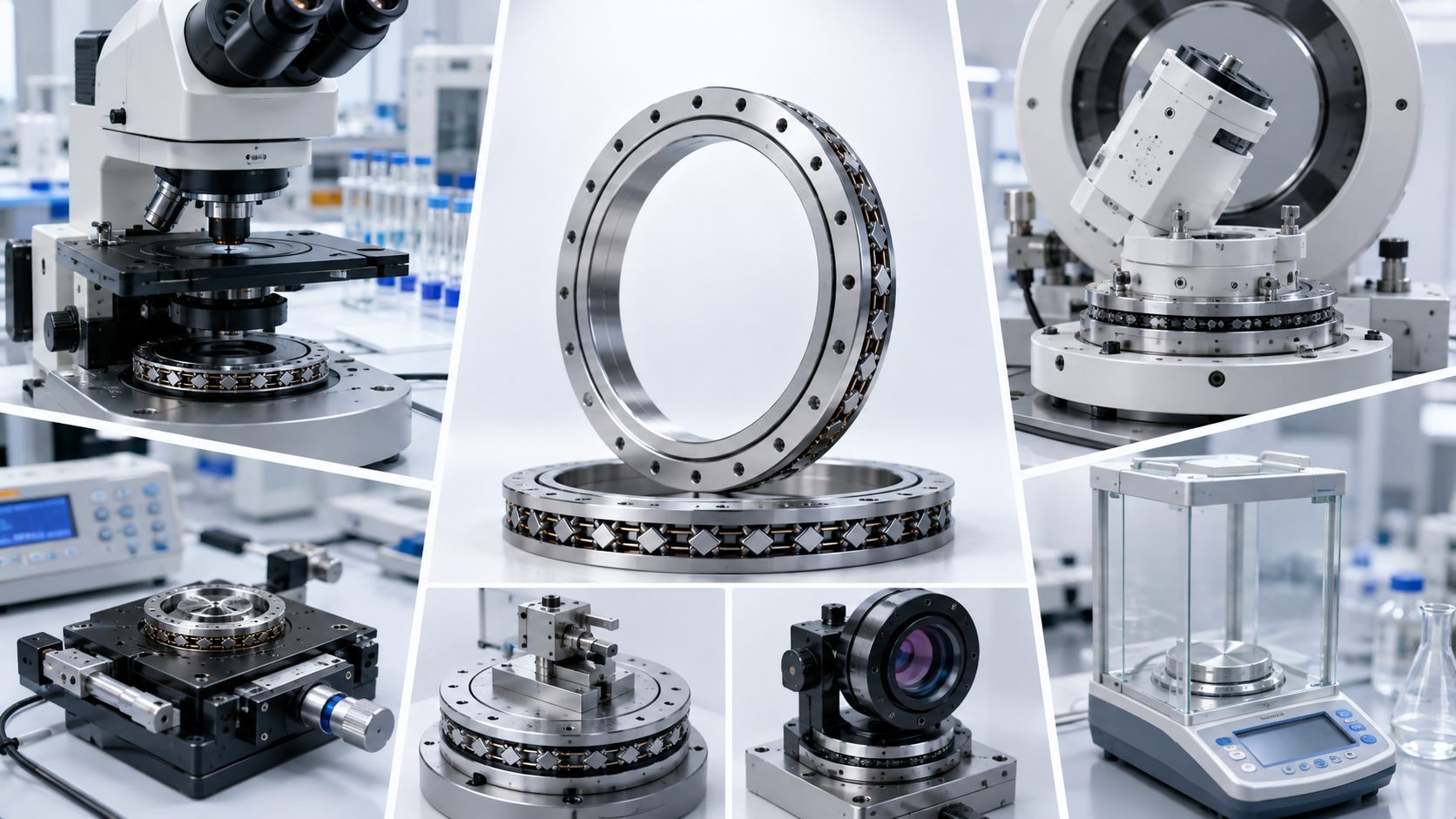
Crossed Roller Bearings for Laboratory and Precision Instruments
Crossed roller bearings for laboratory and precision instruments provide stiff, accurate rotation. Learn where they fit in spectrometers and optical stages.
08-20
2026
Aug 20 2026
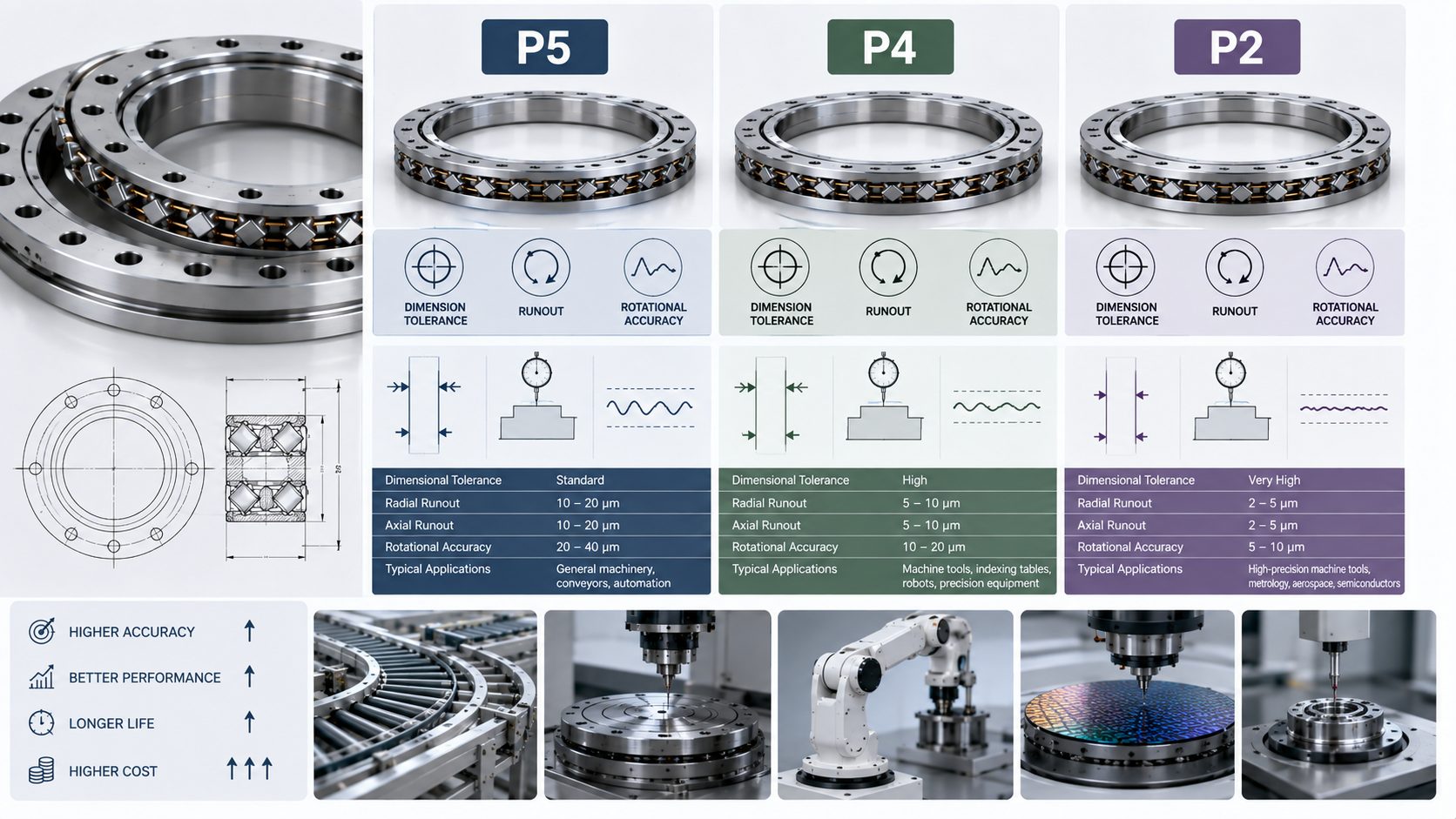
Crossed Roller Bearing Accuracy Grades. What P5, P4, and P2 Mean
Crossed roller bearing accuracy grades from P0 to P2 explained. Learn what P5, P4, and P2 measure and how to pick the right grade.
08-19
2026
Aug 19 2026
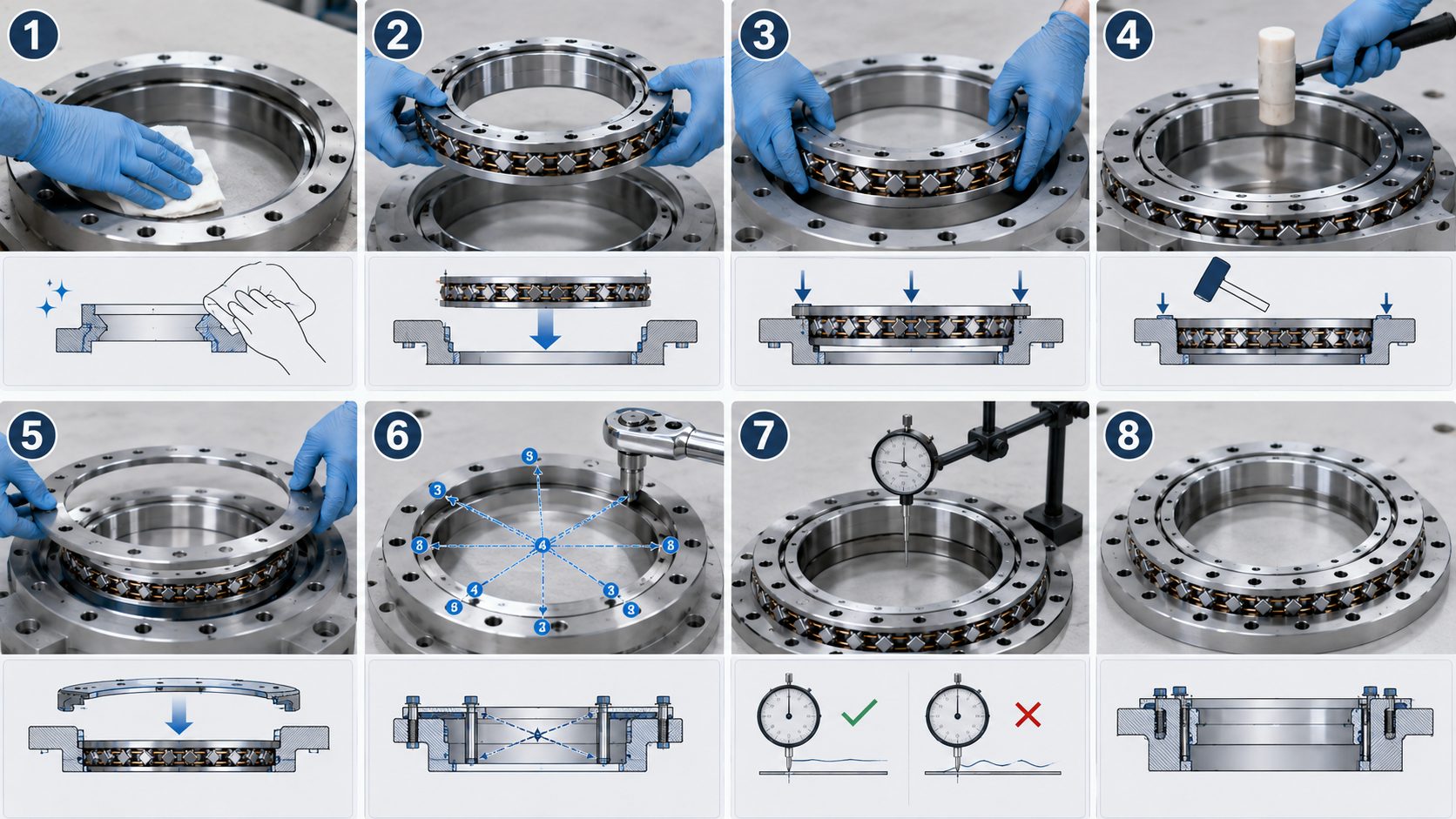
How to Install Crossed Roller Bearings Step by Step
Step-by-step crossed roller bearing mounting guide. Covers pre-inspection, surface prep, bolt-down torque sequence, and post-installation runout checks.
08-18
2026
Aug 18 2026
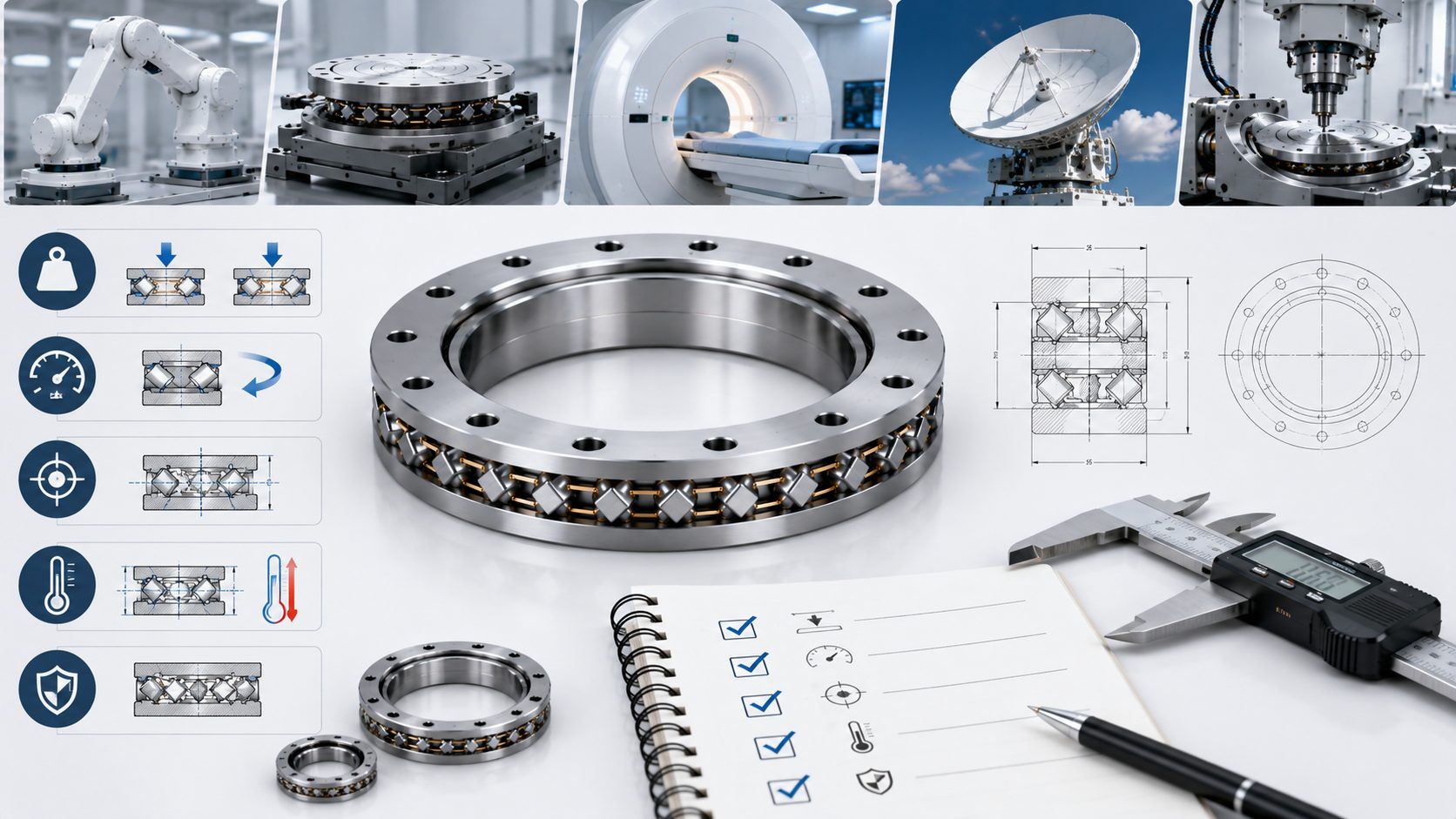
How to Choose a Crossed Roller Bearing for Your Application
Five questions to select the right crossed roller bearing: load, accuracy grade, preload class, sealing, and mounting configuration. Decision guide.
08-17
2026
Aug 17 2026
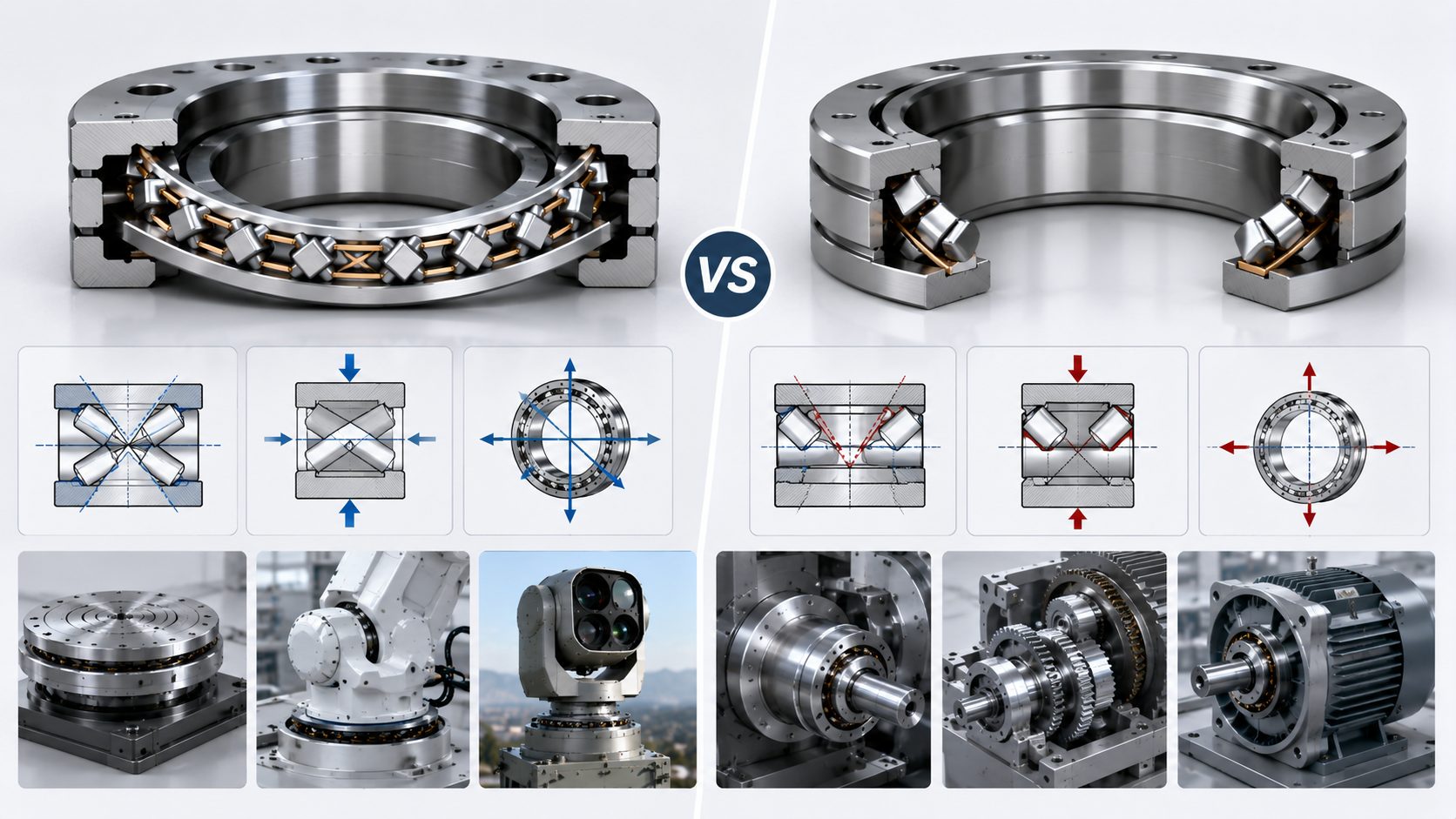
Crossed Roller Bearings vs Angular Contact Bearings
Compare crossed roller and angular contact bearings for rotary stages. Stiffness, accuracy, speed, assembly cost, and a decision framework.
08-16
2026
Aug 16 2026
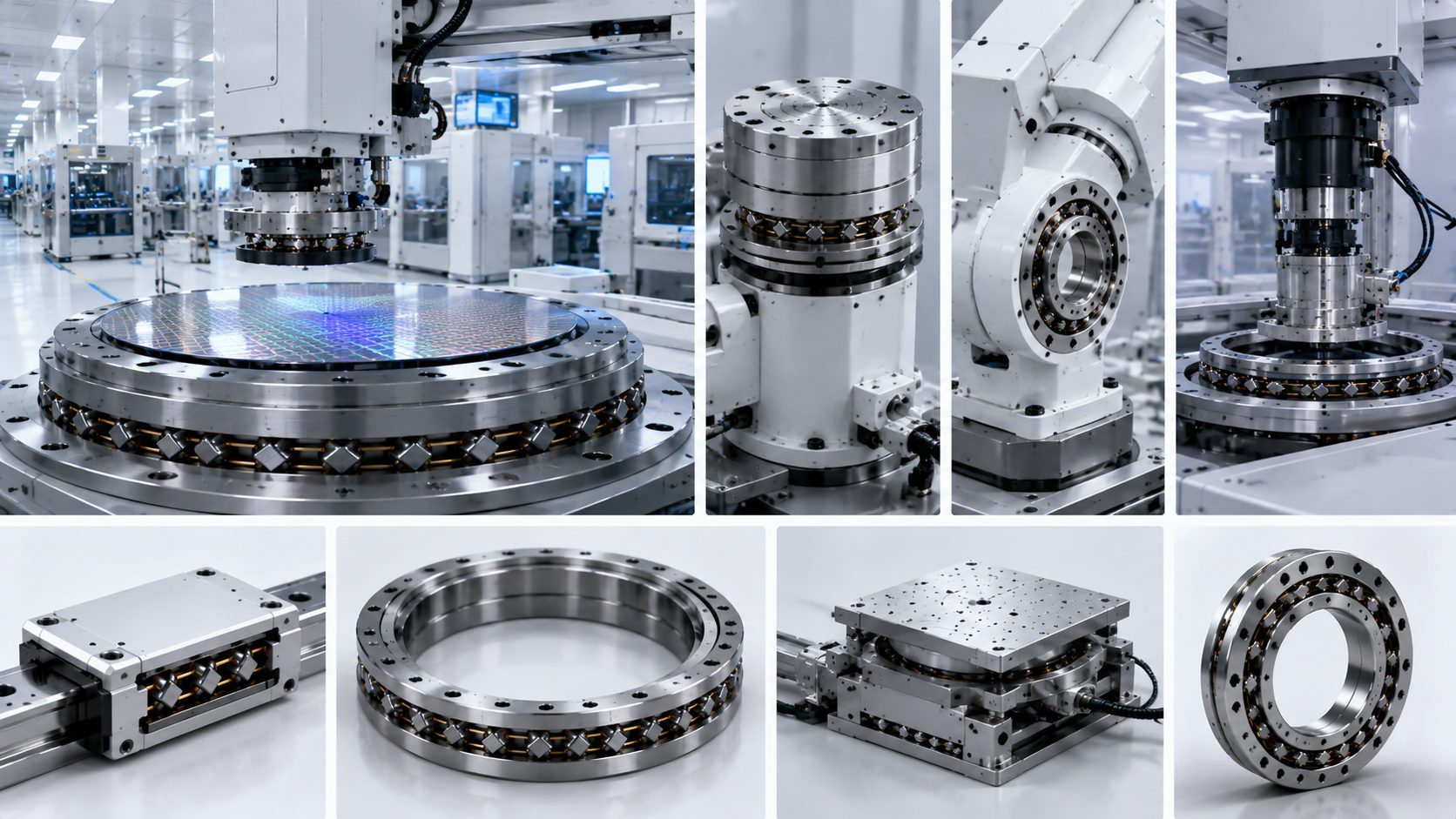
Crossed Roller Bearings in Semiconductor Manufacturing
Crossed roller bearings inside wafer handling robots, inspection stages, and lithography Z-axes. Vacuum-compatible and cleanroom-grade options.
08-15
2026
Aug 15 2026
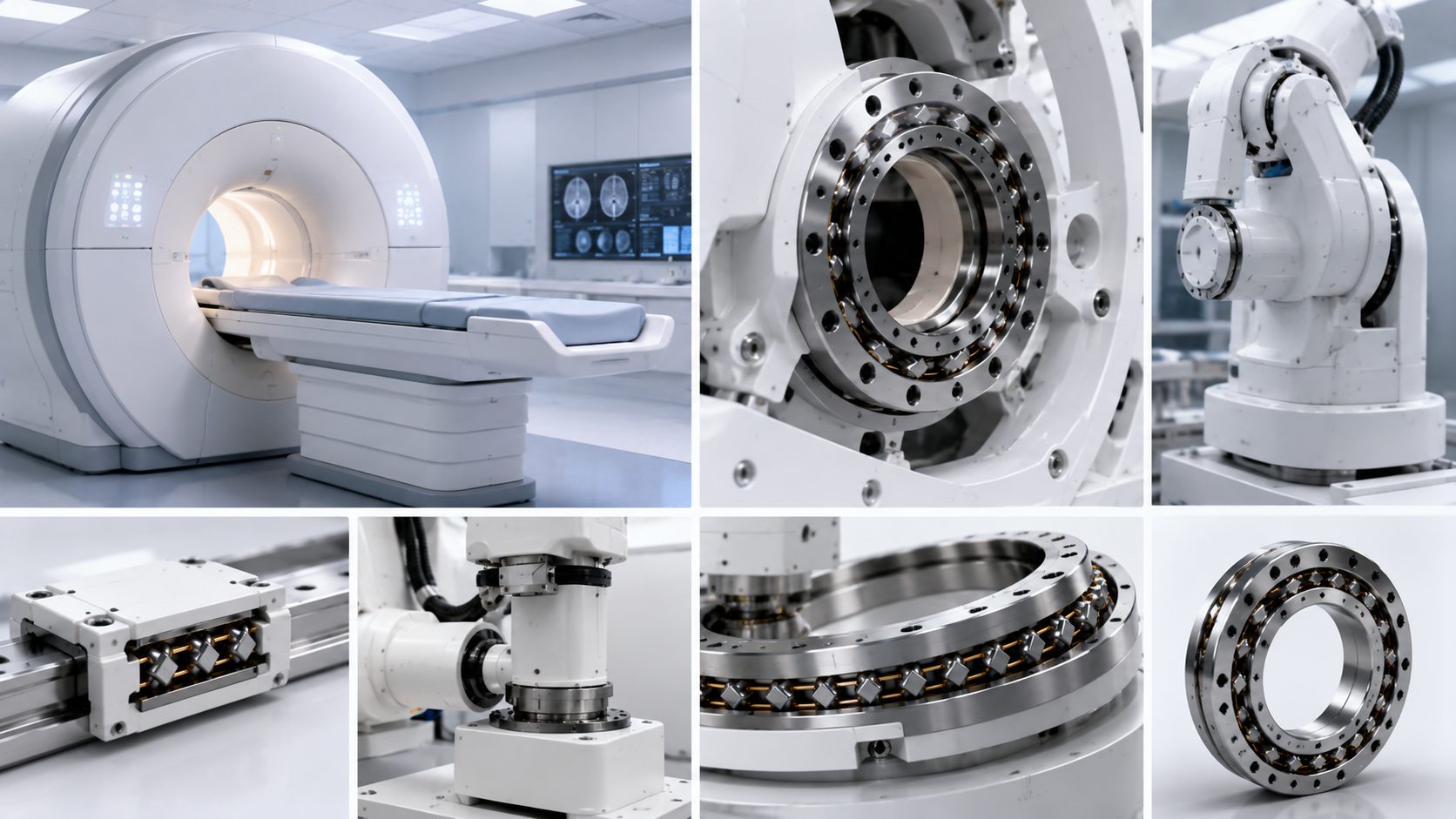
Crossed Roller Bearings in Medical Imaging Equipment
How crossed roller bearings enable CT scanner gantries, MRI patient tables, and C-arm X-ray pivots. Stainless steel and ceramic options available.
08-14
2026
Aug 14 2026
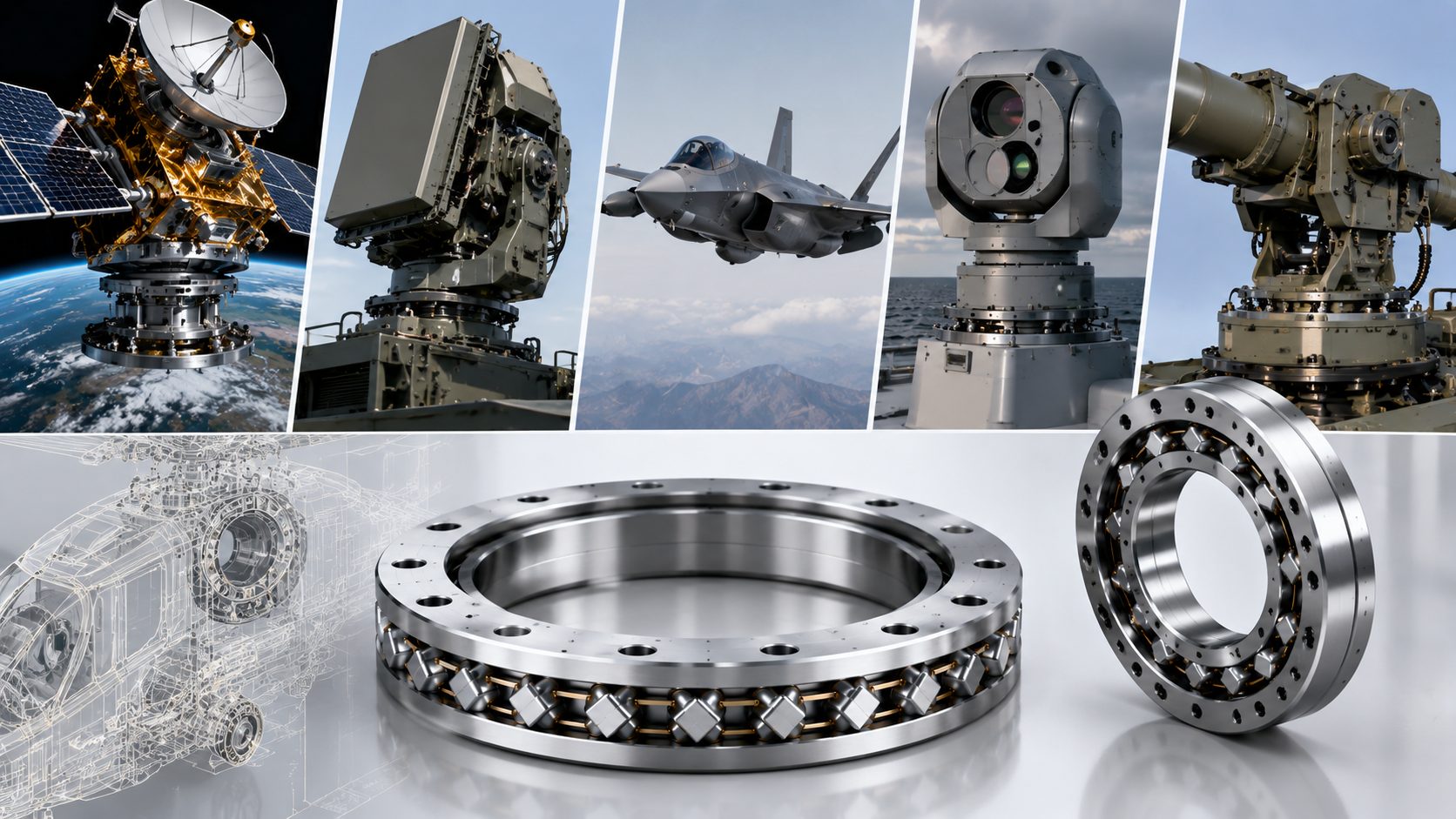
Crossed Roller Bearings in Aerospace and Defense Systems
Crossed roller bearings in satellites, radar pedestals, and targeting gimbals. Solid lubrication, thermal stability, and full material traceability.
08-13
2026
Aug 13 2026
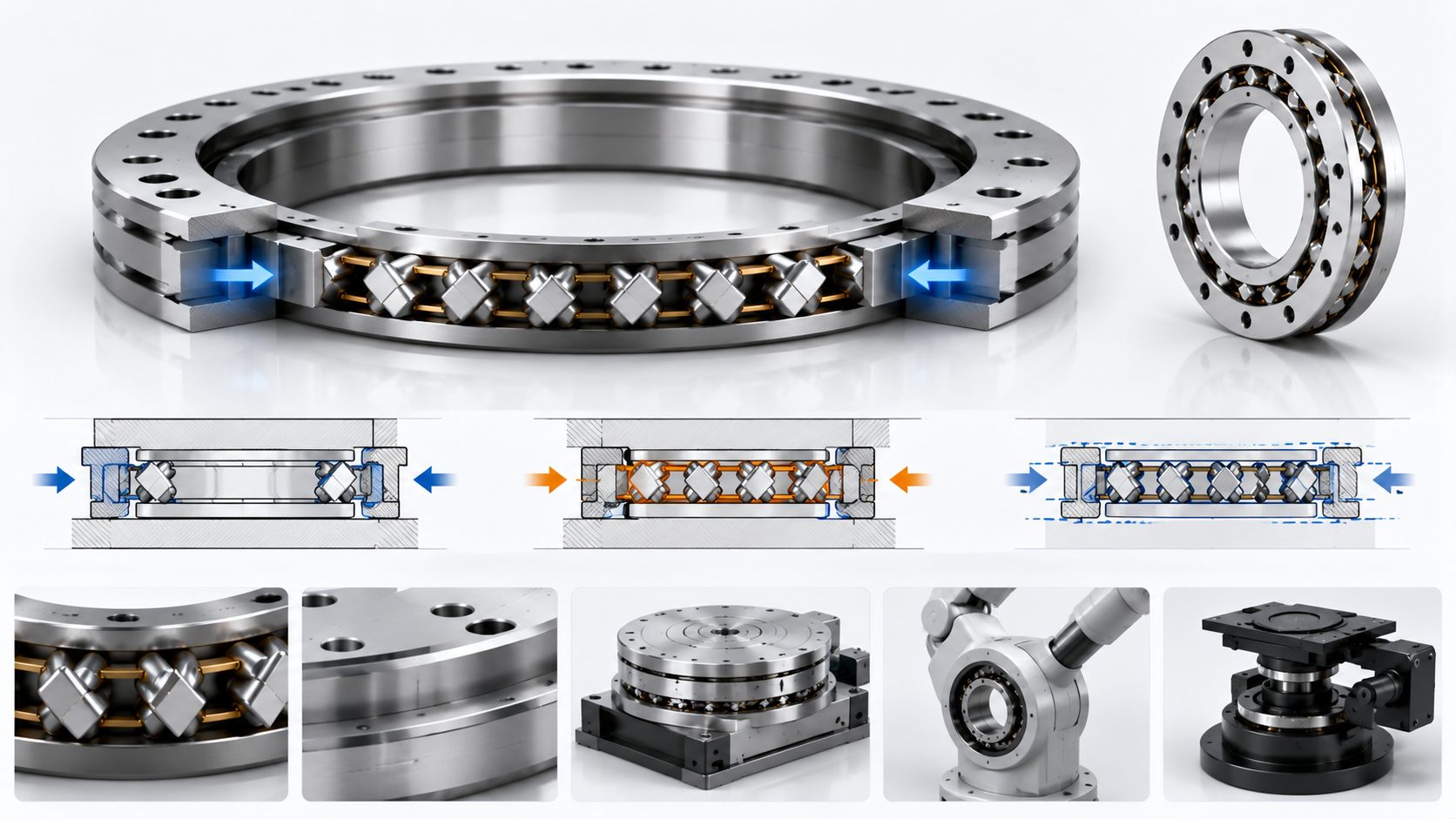
Crossed Roller Bearing Preload What It Is and Why It Matters
How preload removes internal clearance, increases stiffness, and affects torque and life. Light, medium, and heavy preload classes explained.
Looking for a reliable OEM manufacturer?
Talk to Our Engineering Team