


 English
 French
 German
High-Performance Deep Groove Ball Bearings. Finding Cost-Effective B2B Options
High-performance deep groove ball bearings are the backbone of most machinery, and for B2B buyers the real question is how to get that performance at a fair price. The answer is not the cheapest bearing on the shelf. It is a bearing that meets the load, speed, and life requirements without overpaying for specs you do not need. This guide shows where the cost goes and how to buy smart.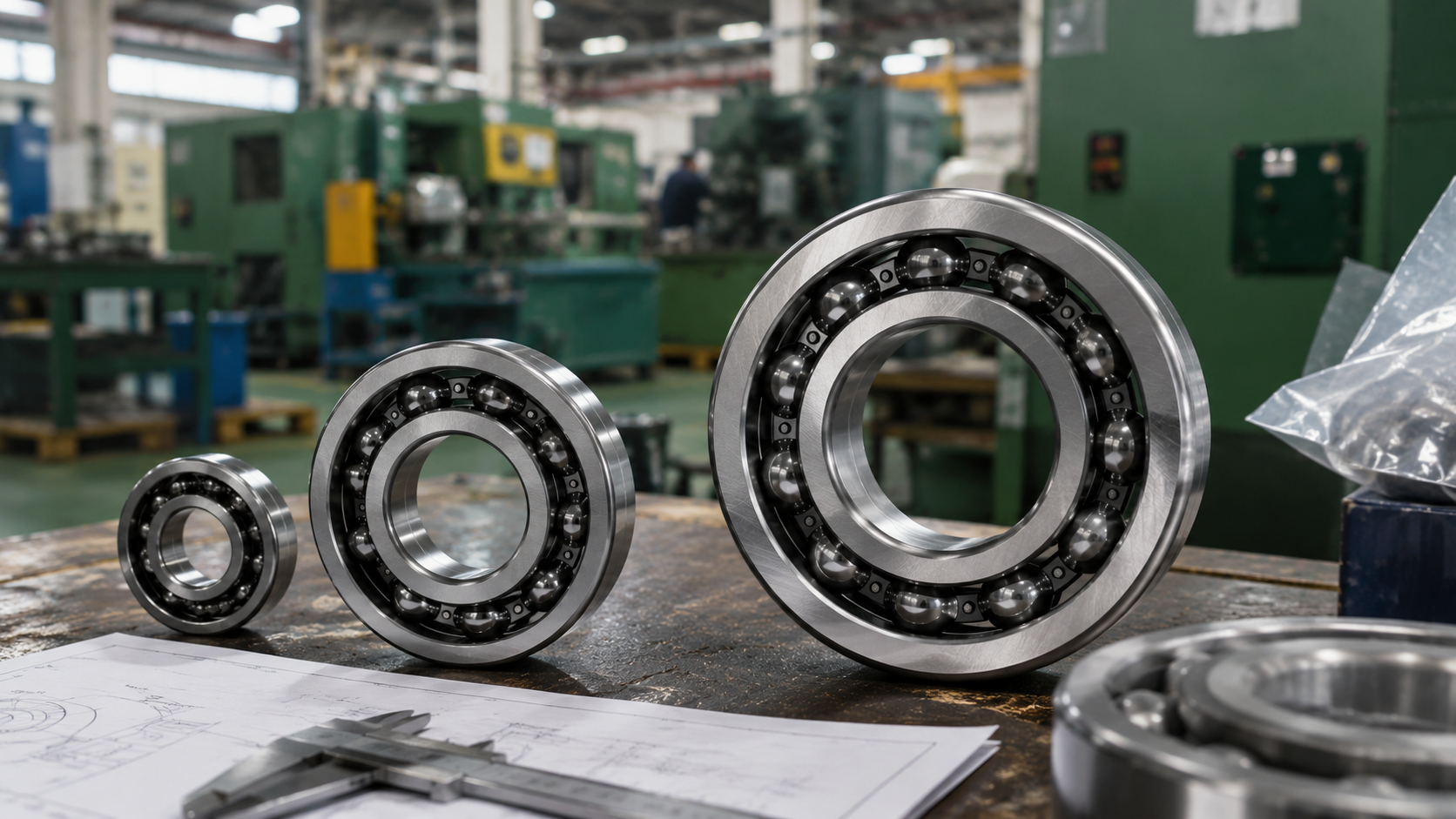
1What Makes a Deep Groove Bearing High Performance
A high-performance deep groove ball bearing is not a different design. It is the same deep groove geometry built with better material and tighter control. The steel is cleaner and harder, the raceways are ground smoother, and the accuracy grade is tighter.
Those differences show up in service. A better bearing runs quieter, lasts longer, and holds its tolerance under load. For a B2B buyer supplying a machine to a customer, that reliability is worth far more than the price difference on the bearing.
2Where the Cost Goes
The price of a bearing is set by three things: material, tolerance, and volume. Clean bearing steel costs more than commodity steel. A tighter accuracy grade costs more because it takes more grinding and more inspection. And volume drives the price down, because the manufacturer can amortize tooling and run longer batches.
For a B2B buyer, the lever is volume and specification. Buying a standard size in quantity costs less per piece than a one-off. Specifying only the accuracy grade the application actually needs avoids paying for a grade you do not use. Both are simple ways to cut cost without cutting performance.
3Buying Factory Direct
The most direct way to find a cost-effective option is to buy from the factory. A distributor adds a margin at each step, and that margin is built into the price you pay. Buying factory direct removes those layers and puts the buyer in contact with the people who actually make the bearing.
Factory direct also means direct answers. When a spec question comes up, the buyer talks to the manufacturer, not a middleman. That shortens lead time and removes the risk of a wrong answer passed along the chain. Yuanhe sells deep groove ball bearings factory direct, with OEM and ODM options for buyers who need a specific configuration.
4Standard Sizes and Common Series
Deep groove bearings come in standard sizes identified by a simple code. The 6000 series is thin and light. The 6200 series is the general workhorse. The 6300 series is wider and carries more load. Within each series, the last two digits give the bore size in millimeters divided by five.
A 6204 bearing has a 20 mm bore, and a 6205bearing has a 25 mm bore. These are the sizes that show up everywhere, from motors to conveyors to farm equipment. Because they are standard, they are produced in volume, which keeps the price down. The 6204bearing and 6205bearing pages show the full specs for two of the most common sizes.
5How to Buy Cost-Effectively
1Specify the accuracy grade the application needs, not the highest available.
2Buy standard sizes in volume where the unit price drops.
3Buy factory direct to remove distributor margins.
4Confirm the load rating against the actual load before ordering.
The selection guide walks through the load and speed calculation in detail.
6Quality Certification and Inspection
A cost-effective bearing is not a cheap bearing. The difference is verification. A good supplier certifies its material, inspects every batch, and can provide the inspection data with the shipment. That data is what lets a B2B buyer trust that the bearing meets the spec without testing every piece themselves.
ISO 9001:2015 certification is the baseline for a manufacturing partner. Material certification, dimension reports, and batch traceability are the next layer. When a supplier provides those, the buyer gets performance without paying a distributor margin for the same assurance.
7OEM and ODM Options
Some B2B buyers need more than a standard bearing. They need a bearing with their part number, a specific seal, or a custom clearance. That is where OEM and ODM come in. The manufacturer builds the bearing to the buyer’s specification, and the buyer gets a product that fits their machine exactly.
Custom work costs more per piece than a standard size, but it can save money overall by eliminating an adapter or a redesign. The decision comes down to whether a standard bearing fits, or whether a custom one removes a bigger cost elsewhere. A factory-direct supplier can advise on both paths.
8A Typical B2B Buying Flow
Here is how a cost-effective purchase usually goes. The buyer sends a drawing or a spec with the size, load, speed, and environment. The factory confirms the standard size that fits, or proposes an OEM option if the spec is custom. The buyer reviews the load rating and the accuracy grade, then orders in the quantity that hits the volume price.
The whole flow rests on one principle: specify what the application needs and nothing more. Every extra spec adds cost without adding value. A buyer who knows the load, speed, and environment of their machine can buy a high-performance bearing at a fair price, factory direct, and never overpay.
9The Cost-Effective Formula
Cost-effective does not mean cheapest. It means the lowest total cost for the performance you need. A bearing that fails early costs far more in downtime than any savings on the purchase price. A bearing that is over-specified wastes money on accuracy you do not use.
The formula is simple. Specify the right grade, buy standard sizes in volume, and buy factory direct. Add a supplier that certifies its material and provides inspection data, and you have a high-performance bearing at a fair price, with no distributor margin and no guesswork.
10Key Points to Remember
Specify what you need, nothing more. Extra specs add cost without adding value.
Buy standard sizes in volume. Standard series like 6204bearing and 6205bearing are produced in volume, which keeps the unit price down.
Buy factory direct. Removing distributor margins and getting certified inspection data is how you get performance at a fair price.
11The Bottom Line
A high-performance deep groove ball bearing at a fair price is a matter of specification and sourcing, not luck. Specify the accuracy grade the application needs, buy standard sizes in volume, and buy factory direct from a supplier that certifies its material and ships inspection data. That combination gets B2B buyers the performance they need without the distributor margin or the guesswork.
12Frequently Asked Questions
How do I get a cost-effective bearing without losing performance? +
What does the bearing size code mean? +
Why buy factory direct? +
What should I include in a quote request? +
Ready to buy deep groove bearings factory direct? Request a quote with your sizes and quantities.