

 English
 French
 German
Deep Groove Ball Bearings for Pumps and Compressors
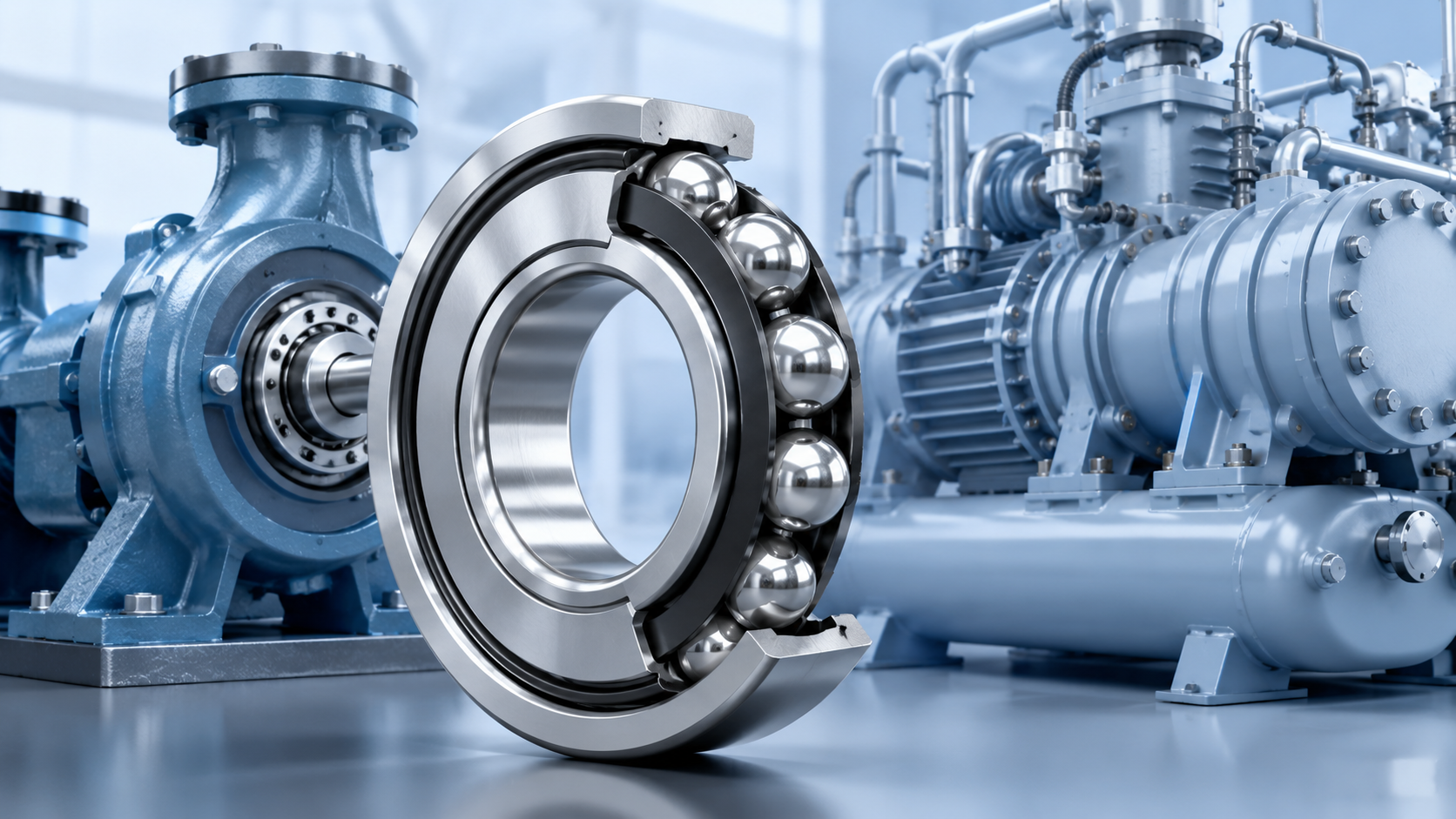
Deep groove ball bearings for pumps and compressors support shafts that spin at speed for hours without a break. Pumps and compressors move fluids and air by spinning a shaft, and the bearings that support that shaft decide how quietly and reliably the machine runs. This guide covers why they fit and how to catch a failing bearing early.
1The Conditions Inside a Pump or Compressor
These machines put specific demands on their bearings.
Speed
Pump and compressor shafts often spin fast. A bearing for this duty must run smoothly at high speed without overheating. Deep groove ball bearings are built for exactly this range, which is why they dominate the application.
Heat
Friction and the work of compression both generate heat. The bearing and its lubrication must handle that heat without breaking down. The right grease and the right clearance keep a high-speed bearing cool.
Load
The load on a pump bearing is mostly radial, from the shaft and impeller. Deep groove bearings carry radial load well while also taking a small amount of axial load, which covers most pump designs.
2Why Deep Groove Bearings Fit These Machines
A few practical strengths make deep groove bearings the default for pumps and compressors.
High Speed Capability
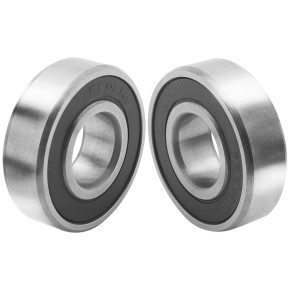
Deep groove ball bearings run faster than most other bearing types for the same bore. For a pump or compressor shaft, that speed capability is the deciding factor. A 6204bearing bearing and its larger siblings are common in these machines.
Low Noise
Pumps and compressors sit in homes, hospitals, and factories where noise matters. A deep groove bearing runs quietly, especially when correctly lubricated. Quiet running is also an early sign the bearing is healthy.
Simple, Sealed Designs
Sealed deep groove bearings come pre-lubricated and keep out the moisture and dust that shorten bearing life. For a pump that runs unattended, a sealed bearing means less maintenance and fewer surprises.
3Seals and Lubrication for Rotating Machines
The seal and the grease work together to keep a pump bearing alive.
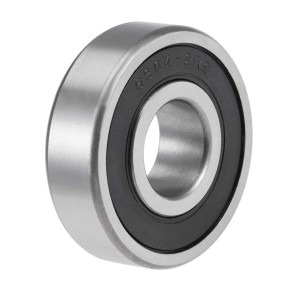
A sealed bearing, marked 2RS, holds its factory grease and keeps moisture out. For pumps that see humidity or condensation, that seal is the difference between a long life and early rust. A shielded bearing, marked ZZ, runs with less friction and suits cleaner, higher-speed spots.
Grease choice matters at speed. A high-speed bearing needs a grease that does not overheat or run out. The machine’s specification usually names the right grease, and that specification should be followed.
4Reading the Signs of a Failing Bearing
A pump or compressor bearing gives warning before it fails. Catching those signs early avoids a breakdown.
Noise
A healthy bearing runs quietly. A rumbling, grinding, or high-pitched whine means the bearing is wearing. Any new noise from a pump or compressor is a reason to check the bearings.
Heat
A bearing that runs noticeably hotter than the rest of the machine is failing or under-lubricated. Compare temperatures across the machine, since a hot spot points straight at the problem bearing.
Vibration
Worn bearings let the shaft vibrate. If a pump or compressor develops a new vibration, check the bearings before the imbalance damages other parts.
5Bearing Clearance and Speed
Internal clearance is the free play inside the bearing. At high speed, clearance matters more because the bearing heats up and its parts expand.
A bearing running at high speed with too little clearance binds as it heats, which makes it run hotter still and fail early. A bearing with the right clearance for its speed runs cooler and lasts longer. For a pump or compressor that spins fast, the correct clearance is part of the specification, not an afterthought.
If you are unsure of the right clearance, tell the supplier your speed and load. A bearing with slightly increased clearance is a common choice for high-speed duty.
6Lubrication for High-Speed Duty
The faster a bearing spins, the more the lubrication choice matters.
High-speed bearings need a grease or oil that does not overheat and does not fly out of the bearing. The machine’s specification usually names the right lubricant and the correct amount. Over-greasing is a common cause of hot-running bearings, so less is often more.
Sealed bearings come pre-lubricated from the factory, which removes one variable. For a pump that runs unattended, a sealed, factory-lubricated deep groove bearing is the simple, reliable choice.
7Choosing the Right Bearing Size for a Pump
The bearing size follows the shaft and the load, not the other way around.
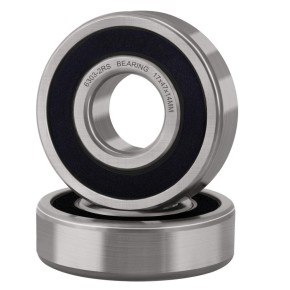
Small pumps and circulators run on smaller bearings such as the 6203bearing. Larger pumps and compressor drives step up to the 6206bearing or 6304bearing sizes. The bore must match the shaft, and the load rating must cover the impeller and pressure loads.
When a pump is rebuilt, measure the existing bearing and match it, or confirm the size from the manual. Guessing a size risks a bearing that either does not fit or fails early under load.
8What a Healthy Pump Bearing Sounds Like
Sound is a quick diagnostic for a pump or compressor.
A healthy bearing runs with a smooth, steady hum. A bearing that is starting to wear develops a rumble, a grind, or a high-pitched whine. Any change in the sound of a running machine is a reason to stop and check the bearings.
Checking the sound at the same point on the machine each time helps you notice changes early. A small change caught early is a cheap fix. A bearing left to run to failure can damage the shaft and the housing.
9Common Questions
Which bearing is best for a pump shaft?
Do pumps use sealed or shielded bearings?
How do I know a pump bearing is failing?
Can I get pump and compressor bearings from Yuanhe?
Can a deep groove bearing handle axial load in a pump?
What clearance should a high-speed pump bearing have?



Related Products