

 English
 French
 German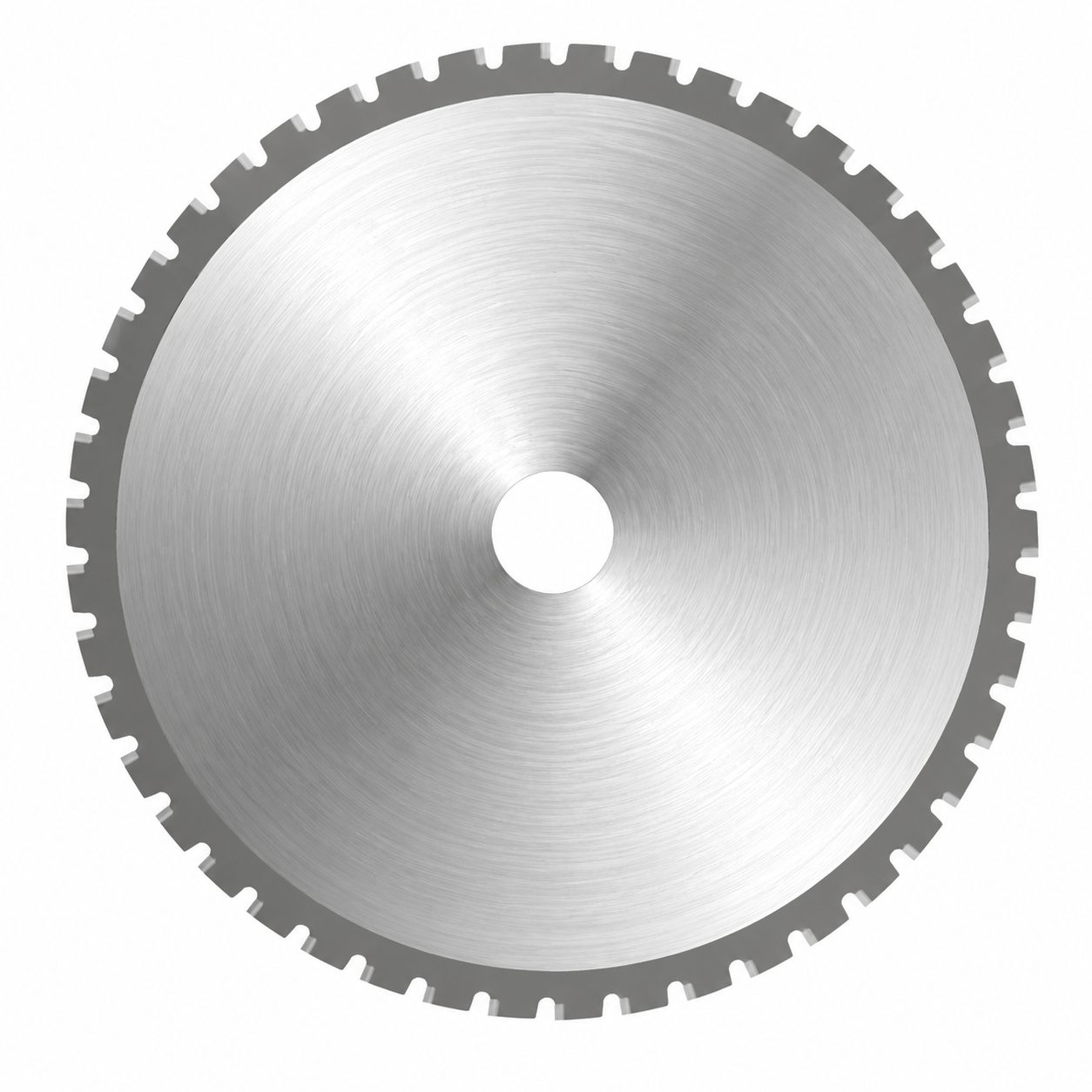
Metal Cutting Blades
Metal Cutting Blades are professionally designed for precise and efficient cutting of aluminum profiles, aluminum sheets, non-ferrous metals, and other light metal materials. Built with high-hardness tungsten carbide tips firmly welded to a high-strength steel body, the blade offers stable rotation, smooth cutting performance, low vibration, and excellent long-term durability.
The optimized tooth geometry helps deliver clean, accurate, and burr-free cuts, while the polished blade surface reduces friction, heat buildup, and material adhesion during operation. Even at high rotational speeds, TCT aluminum cutting saw blades maintain stable precision and reliable cutting quality.
They are suitable for aluminum processing plants, door and window production, machinery manufacturing, industrial workshops, and metal fabrication applications. Compatible with cutting machines, miter saws, circular saws, and industrial aluminum cutting equipment, these blades are an ideal choice for bulk supply, professional production, and long-term cooperation.
For any inquiries, please contact with our Supporting Team at sales@yuanhecd.com.
Metal cutting blades with TCT (tungsten carbide tipped) teeth cut aluminum profiles, aluminum sheets, non-ferrous metals, and light alloys with burr-free precision. Each blade pairs high-hardness carbide tips with a hardened steel core. Heat-dissipation slots and anti-friction coating keep the blade cool during high-speed cutting. Precision balancing ensures wobble-free rotation on aluminum cutting machines, miter saws, circular saws, and industrial cutting equipment. Yuanhe supplies metal cutting blades from 200mm to 500mm diameter with custom tooth configurations.
At a Glance
Metal cutting blades deliver clean, burr-free cuts on aluminum and non-ferrous metals. Carbide tips maintain edge sharpness through extended production runs. Available in diameters from 200mm to 500mm with negative or positive hook angles. Heat-dissipation slots prevent warping at high RPM. Yuanhe saw blades come with custom tooth counts and bore sizes.
Technical Specifications
| Parameter | Specification |
|---|---|
| Blade Type | TCT (Tungsten Carbide Tipped) Metal Cutting Saw Blade |
| Diameter Range | 200mm – 500mm |
| Kerf Width | 2.5mm – 4.4mm |
| Bore Size | 25.4mm / 30mm / 32mm |
| Tooth Count | 60T – 120T (material-dependent) |
| Tooth Material | Micro-grain tungsten carbide (K10 grade) |
| Core Material | Premium alloy steel (75Cr1 equivalent) |
| Hook Angle | Negative (-5°) or positive (+5° to +10°) |
| Surface Treatment | Polished and anti-friction coated |
| Features | Heat-dissipation slots, precision balanced, anti-vibration design |
| RPM Rating | 2,000 – 6,000 RPM (varies by diameter) |
Key Features
1. Tungsten Carbide Tips (K10 Grade)
Micro-grain tungsten carbide tips are brazed to the steel core. K10 grade carbide resists the abrasive wear that aluminum alloys create. Tips maintain sharp cutting edges through thousands of cuts, reducing blade change frequency and downtime.
2. Anti-Friction Surface Coating
The polished and coated blade surface reduces friction and prevents aluminum from sticking to the blade body. Less material adhesion means smoother cuts, lower cutting temperature, and longer blade life. The coating also resists corrosion from cutting fluids and coolants.
3. Heat-Dissipation Slots
Laser-cut expansion slots in the blade body dissipate heat generated during metal cutting. Metal generates more cutting heat than wood, making heat management essential. The slots prevent blade warping, maintain flatness, and reduce the risk of thermal cracking during extended production runs.
4. Optimized Tooth Geometry for Metal
Negative hook angles (-5°) prevent the blade from grabbing and self-feeding into the workpiece. Triple-chip grind (TCG) tooth geometry alternates flat and chamfered teeth for efficient chip clearance. The tooth design produces flat, clean, burr-free cuts on aluminum profiles and sheets.
5. Precision Balanced for High RPM
Each metal cutting blade undergoes dynamic balancing to minimize vibration at operating speeds up to 6,000 RPM. Balanced blades produce cleaner cuts, reduce bearing wear on the saw arbor, and lower operator fatigue. Consistent balance quality is verified on every production batch.
Hook Angle Selection Guide
| Hook Angle | Value | Behavior | Best For |
|---|---|---|---|
| Negative | -5° | Resists self-feeding, safer cutting | Thin-wall profiles, extrusions, aluminum sheets |
| Positive | +5° to +10° | Aggressive feed, faster cutting | Solid aluminum bars, thick plates, brass |
Safety Note
Always use negative hook angles when cutting thin aluminum profiles and extrusions. A positive hook blade can grab the workpiece and pull it into the blade, creating a kickback hazard. Negative hook geometry prevents this by pushing the workpiece against the saw table during cutting.
Material Compatibility
| Material | Cut Quality | Recommended Tooth Count | Hook Angle |
|---|---|---|---|
| Aluminum Profiles | Excellent (burr-free) | 80T – 100T | Negative -5° |
| Aluminum Sheets | Excellent | 100T – 120T | Negative -5° |
| Aluminum Alloys (6061, 6063) | Excellent | 80T – 100T | Negative -5° |
| Brass / Copper | Very Good | 60T – 80T | Positive +5° |
| PVC / Plastic Profiles | Excellent | 80T – 100T | Positive +5° |
Applications
Aluminum Processing
Precision cutting of aluminum profiles, extrusions, and sheets for industrial manufacturing.
Door and Window
Miter and straight cuts on aluminum door and window profiles with clean, burr-free edges.
Machinery Manufacturing
Cutting aluminum and non-ferrous components for machine frames, guards, and housings.
Metal Fabrication
General metal fabrication shops cutting aluminum, brass, and light alloy workpieces.
Profile Cutting
High-volume production cutting of extruded aluminum profiles to length with precision.
Industrial Workshops
Multi-purpose metal cutting in repair shops, maintenance facilities, and job shops.
Compatible Equipment
| Machine Type | Typical Diameter | Common Use |
|---|---|---|
| Aluminum Cutting Machine | 300mm – 500mm | High-volume profile and extrusion cutting |
| Miter Saw | 250mm – 305mm | Angled cuts on aluminum profiles |
| Circular Saw | 200mm – 250mm | Portable aluminum sheet and plate cutting |
| Table Saw | 250mm – 300mm | Precision rip cuts on aluminum sheets |
| Industrial Cutting Line | 300mm – 500mm | Automated production systems |
FAQ
What materials can TCT metal cutting blades cut? +
What hook angle should I choose for cutting aluminum? +
Why do metal cutting blades need heat-dissipation slots? +
How do I prevent aluminum from sticking to the blade? +
Can metal cutting blades be resharpened? +
Can Yuanhe supply custom metal cutting blades for specific aluminum alloys? +
Need Metal Cutting Blades for Aluminum and Non-Ferrous Metals?
Standard diameters from 200mm to 500mm. Custom hook angles, tooth counts, and bore sizes available. Send your material and cutting specification for a quote.
,”url”:”https://www.yuanhecd.com/metal-cutting-blades/”}

| ITEM NUMBER | OUTER DIAMETER(mm) | INNER DIAMETER(mm) | TEETH NUMBER |
| 110-TI | 110 | 16/20 | 24-30T |
| 160-TI | 160 | 16/20/22.23 | 24-40T |
| 180-TI | 180 | 20/22.23/25.4 | 30-48T |
| 200-TI | 200 | 20/22.23/25.4 | 30-52T |
| 230-TI | 230 | 22.23/25.4/30 | 40-60T |
| 250-TI | 250 | 22.23/25.4/30 | 40-60T |
| 300-TI | 300 | 25.4/30/32 | 40-60T |
| 350-TI | 350 | 25.4/30/32 | 40-60T |


