

 English
 French
 German
Selection guides and application insights for deep groove and crossed roller bearings — written by a manufacturer, for engineers who need answers.
Nov 16 2026
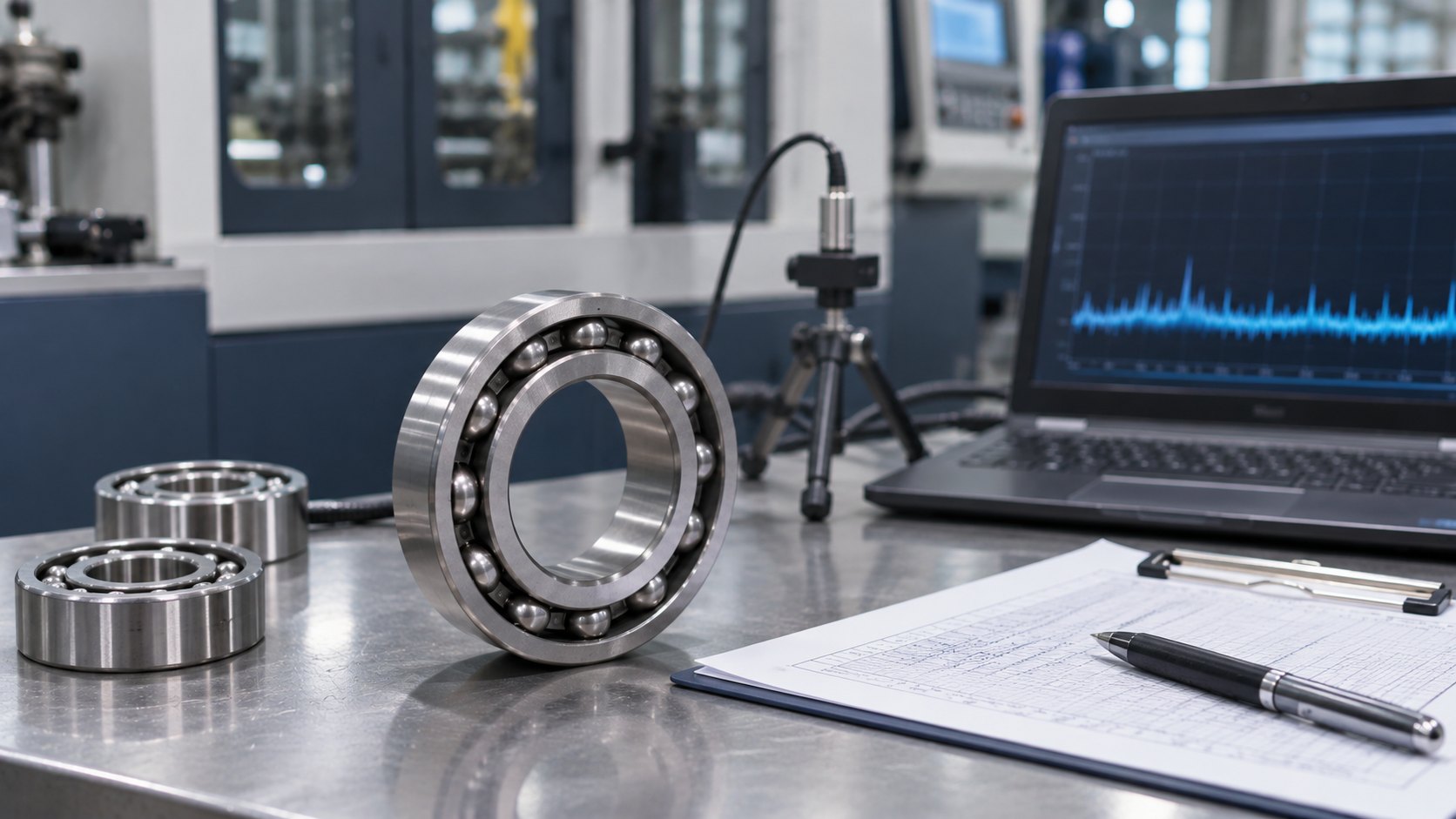
EMQ Noise Grades and What Z1V1 Means
An EMQ bearing noise grade tells you how quiet a motor bearing should run, not how accurate it is. How to read Z1V1 and write the requirement properly.
12-24
2025
Dec 24 2025
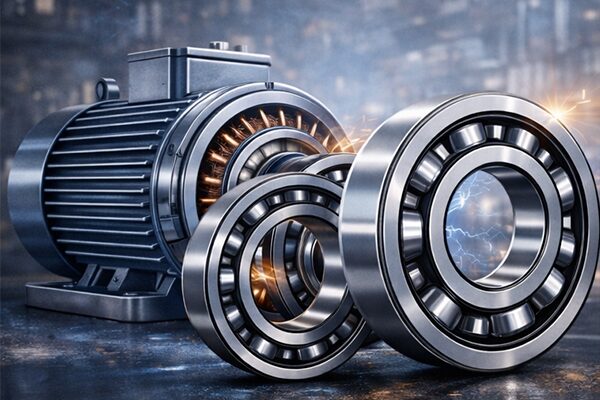
Deep Groove Ball Bearings for Electric Motors
Deep Groove Ball Bearings from Yuanhe are engineered to meet the rigorous demands of modern electric motors, providing a perfect balance of cost-effectiveness, high-speed capability, and operational stability.
07-21
2025
Jul 21 2025
The Specific Working Principle and Selection of Deep Groove Ball Bearings in Banknote Counting Machines
In this blog, we’ll explore the specific working principle of deep groove ball bearings as applied to banknote counting machines and how to select the right

07-18
2025
Jul 18 2025
How to Choose the Right Deep Groove Ball Bearing for Your Application
Learn how to select the best deep groove ball bearings for your application. Discover tips on load, speed, lubrication, and environmental factors.

07-17
2025
Jul 17 2025
The Advantages of Deep Groove Ball Bearings in the Automotive Industry
The automotive industry is known for its rigorous demands on machinery and components. Reliability, efficiency, and durability are essential factors in designing components that perform at high levels, often under extreme conditions. One such critical component that plays a vital role in ensuring smooth and efficient operation is the bearing.

07-28
2023
Jul 28 2023
Efficiency on Wheels: The Impact of Deep Groove Ball Bearings in Electric Mobility
Deep groove ball bearings play an important role in electric vehicles, enabling the smooth and efficient operation of key components of electric vehicles.

06-14
2023
Jun 14 2023
Wheel bearing: how long do they last and when to replace them?
While wheel bearings don't have a fixed lifespan, regular inspection and maintenance help ensure they perform at their best for as long as possible.

05-18
2023
May 18 2023
Why are sleeve bearings preferable for some fan applications?
There are several reasons why sleeve bearings are better suited for certain fan applications. Sleeve bearings are the preferred type of bearing for most fan applications.

04-18
2023
Apr 18 2023
What is the difference between high-speed bearings and low-speed bearings?
For high-speed applications such as electric motors and turbines, it is important to use bearings that can withstand higher speeds and loads. On the other hand, low-speed bearings are designed for slower applications such as pumps and fans.

04-13
2023
Apr 13 2023
Bicycle bearings: everything you need to know
The most common types of bicycle bearings are cartridge bearings, cup bearings, and loose ball bearings.

Yuanhe possesses 10 ten years of manufacturing experience.
Talk to Our Engineering Team